
Plant Protein vs Whey Bars: What Actually Keeps You Fuller for Longer?
Why Your Afternoon Snack Strategy Matters More Than Ever
The mid-afternoon slump can arrive whether you are working at a desk in Wellington, driving between jobs, or halfway up a bush track. Hunger, tiredness and the need for something convenient often make a protein bar an appealing choice. It fits in a pack, does not need refrigeration and can be eaten quickly when a proper meal is still a while away.
However, not every bar delivers the same kind of fullness. Some provide a useful dose of protein but little fibre, while others rely heavily on syrups, sweeteners or sugar alcohols. The difference between whey and plant protein is therefore not simply a question of dietary preference. It is also about digestion speed, amino acid delivery, gut comfort and whether the bar contains enough fibre and healthy fat to keep hunger under control. For everyday energy, the best choice is usually the bar with the most balanced formula, not merely the most impressive protein number.
The Science of Fullness and Satiety Hormones
Protein is generally more filling than carbohydrate or fat on a gram-for-gram basis because it influences several appetite pathways. As protein is digested, it can encourage the release of satiety hormones such as peptide YY and glucagon-like peptide-1, commonly called GLP-1. These signals help the digestive system communicate that food has arrived and may reduce the drive to keep eating. Protein also tends to suppress ghrelin, a hormone associated with hunger.
The effect is real, but it is not identical for every person or every product. A fast-digesting whey bar may deliver amino acids into the bloodstream relatively quickly. That can be useful after resistance training, when convenient protein supports the day”s recovery nutrition. A bar made with pea, soy or other plant proteins, particularly when it also contains oats, nuts or seeds, may digest more gradually. The slower release can feel more useful during a long afternoon when the goal is to avoid repeated snacking rather than to prioritise rapid recovery.
Clinical research examining protein nutrition shows that post-meal fullness is influenced by the wider macronutrient mix, not protein in isolation. The findings discussed in research on protein structure, digestibility, and bioavailability help explain why a high-protein bar can still leave someone hungry if it is mostly refined carbohydrates or is too small to match the day”s energy demands.
Fibre and fat matter because they can slow the movement of food through the stomach and affect how quickly carbohydrates are absorbed. Fibre also adds physical bulk and supports regular bowel function, although a sudden large dose may cause discomfort. Healthy fats from almonds, peanuts, pumpkin seeds or chia can provide additional energy and help make a snack feel more substantial.
- Protein supports appetite-regulating signals and helps meet muscle maintenance needs.
- Fibre adds bulk and can slow digestion, but should be increased gradually if your gut is sensitive.
- Healthy fats extend the energy value of a snack and can improve satisfaction.
- Water is important alongside higher-fibre bars, particularly during hiking, cycling or hot weather.
Whey Protein Bars and the Dairy Advantage
Whey has a strong nutritional case for people who tolerate dairy. It is a complete protein, meaning it supplies all nine essential amino acids, and it is particularly rich in branched-chain amino acids, including leucine. Leucine helps activate the cellular processes involved in muscle protein synthesis, which is one reason whey is common in post-gym products.
Whey is also relatively rapidly digested. After a weights session, a whey bar can be a practical way to provide protein when a full meal is not available. This does not mean there is a narrow recovery window that must be hit perfectly, but a convenient, well-tolerated protein source can make it easier to reach an adequate daily intake. A small pilot study comparing whey and pea protein during eight weeks of high-intensity functional training found similar measured outcomes between the groups, including strength-related results. The study was small, so it should not be treated as the final word, but it shows that plant protein can work effectively in a suitable overall diet.
The main drawback is tolerance. Whey concentrate can contain more lactose than whey isolate, and people with lactose intolerance may experience bloating, cramps or loose stools. Some bars also combine whey with large amounts of glycerol, chicory root fibre or sugar alcohols, making it difficult to identify which ingredient is causing trouble. Rapid digestion can also be less satisfying when the bar contains very little fibre or fat. Hunger may return soon after the initial protein hit, especially if the bar is being used in place of a proper meal.
- Choose whey isolate or a clearly labelled low-lactose option if dairy causes symptoms.
- Look beyond the protein number and check fibre, total energy and added sugars.
- Use whey strategically after training rather than assuming it is automatically the best all-purpose snack.
How Plant Blends Compare in Real Everyday Use
Plant protein is not one single ingredient. Pea protein is often valued for its useful amino acid content and substantial texture, soy protein is a complete protein, and hemp contributes protein alongside fats and fibre. Combining sources can create a more balanced amino acid profile than relying on one plant protein alone. This is particularly important because some individual plant proteins are relatively lower in specific essential amino acids, such as methionine or lysine.
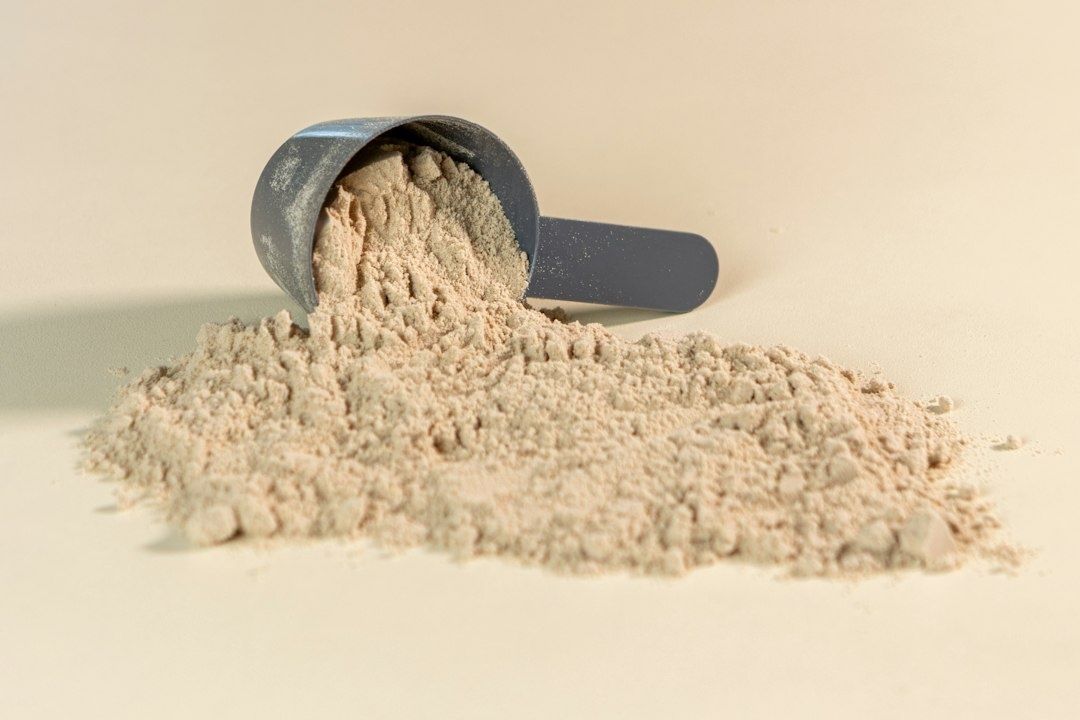
Modern protein bars commonly use isolates or concentrates rather than intact beans, grains or seeds. These refined ingredients can be highly digestible, and the review literature indicates that the lower protein availability sometimes associated with whole plant foods does not automatically apply to purified plant protein ingredients. The practical point is simple: a well-formulated blend can provide useful protein without requiring every plant source to be nutritionally perfect on its own.
Plant-based bars often have an advantage for sustained satiety because they are more likely to include oats, dates, nuts, seeds or added fibres. These ingredients can slow gastric emptying and reduce the rapid rise and fall associated with a snack based largely on sugar. That does not make every plant bar healthy. Some are effectively confectionery with protein added. The label still needs to be checked.
For tramping, long bike rides or endurance sessions, gut comfort may be more important than theoretical absorption speed. A dairy-free bar can be a better choice for someone who develops lactose-related symptoms during exercise. On the other hand, very high amounts of inulin, chicory fibre or polyols can ferment in the gut and cause gas or urgency. Test a new bar on an ordinary training day before taking it on a remote track.
| Protein source | Useful strengths | What to check |
|---|---|---|
| Whey isolate | Complete protein, rich in leucine, rapid digestion | Dairy tolerance, price and low fibre |
| Pea protein | Good plant-based option with a substantial texture | Whether it is combined with another protein source |
| Soy protein | Complete plant protein with a broad amino acid profile | Personal tolerance and added ingredients |
| Hemp protein | Plant protein with seed-derived fats and fibre | Usually lower protein density than an isolate |
Nutritional Breakdown Across Key Bar Ingredients
A bar”s calorie content should match what it is being asked to do. A compact 150-calorie bar may be enough to bridge two meals, but it is unlikely to replace lunch after a long ride. A larger bar containing protein, oats, nuts and fruit may provide more sustained energy, though it also contributes more calories. The right choice depends on whether the snack is supporting a short workday gap, a gym session or several hours outdoors.
Read the ingredient list as carefully as the front-of-pack claims. Syrups, glucose solids and concentrated fruit pastes can raise the carbohydrate content quickly. Sugar alcohols such as maltitol, sorbitol and erythritol may reduce added sugar, but larger amounts can cause bloating or loose stools in some people. A bar that contains 20 grams of fibre may look impressive, yet that fibre could be too much for a sensitive stomach during exercise.
New Zealand guidance on healthy eating and active living places the emphasis on varied, minimally processed foods, regular activity and balanced daily intake. The healthy eating and active living guidance is a useful reference point when deciding how a packaged bar fits alongside fruit, vegetables, whole grains, dairy or fortified alternatives, legumes, nuts and seeds.
- Compare protein and fibre together, rather than choosing the highest protein figure alone.
- Check whether the bar contains enough energy for the activity ahead.
- Scan for several types of syrup, which can hide a high overall sweetener load.
- Be cautious with large doses of polyols or added fibres if you are prone to gut symptoms.
- Use bars as convenient additions to a varied diet, not as a replacement for every meal.
Choosing the Right Protein Bar for Your Lifestyle
Whey remains a strong option when rapid protein delivery and post-training convenience are the main priorities. It supplies a complete amino acid profile and plenty of leucine, making it particularly useful after resistance training or high-intensity exercise. Plant blends are often the more comfortable everyday choice when a bar needs to provide steady afternoon energy, work well during outdoor activities and avoid dairy-related symptoms.
Neither category wins every situation. The best bar is the one that suits the activity, meets your nutritional needs and leaves your stomach settled. A useful starting target is at least 10 grams of protein and 5 grams of fibre per bar, although larger athletes or longer sessions may require more total energy and protein. Treat those numbers as a practical filter rather than a guarantee of quality.
- Match the bar to the moment. Use a whey option when quick post-gym protein is useful, and consider a plant blend for a longer gap between meals.
- Check the full panel. Review protein, fibre, calories, added sugars, sugar alcohols and the serving size before relying on the front-of-pack claim.
- Test gut tolerance early. Try new bars during ordinary training or workdays, not for the first time halfway through a demanding tramp or long ride.
- Keep the wider diet in view. Pair a bar with water and, when practical, whole foods such as fruit, yoghurt, nuts or a sandwich to build a more balanced snack.