
Month: November 2026

Woman eating a noodle bowl on a yoga mat after exercise

Post-Workout Refuelling When Dinner Is Still Hours Away

Bridging the Gap Between Your Workout and the Dinner Table

Finishing a trail run, gym session, netball game, or football training at 6 pm can leave a frustrating stretch before dinner. The commute still needs to happen, children may need collecting, and the evening meal might not be ready for another two or three hours. Arriving home hungry is common, particularly after hills, intervals, heavy lifting, or a long match.

Waiting too long can turn ordinary hunger into a full pantry raid. Suddenly, several handfuls of crackers, a large bowl of cereal, or takeaway eaten in the car seem like the only realistic options. A planned bridge snack gives you a better middle ground. It supplies useful carbohydrate and protein soon after training, supports recovery, and takes the edge off hunger without replacing a proper dinner. The aim is not a complicated sports diet. It is practical food that can survive a busy New Zealand evening and be eaten without fuss.

Understanding the Anabolic Window and Your Energy Demands

The so-called anabolic window is often presented as a narrow 30-minute emergency. According to this idea, missing a protein shake immediately after the final set or finish line means valuable recovery has been lost. That is far too dramatic for most recreational athletes. The importance of post-exercise timing depends on what was eaten before training, how long and hard the session was, the next planned workout, and the total amount of food eaten across the day.

Research reviewed in Nutrient timing revisited suggests that immediate feeding is not make-or-break for every training goal. Muscle glycogen can generally be restored over time, particularly when the next demanding session is not happening within a few hours. However, sensible timing still has clear practical value. Carbohydrate helps replace fuel used during running, cycling, field sport, or demanding gym work, while protein supplies amino acids that support muscle repair and adaptation. A snack soon after exercise is therefore useful, even when it is not a race against the clock.

There is also a simple everyday benefit. A moderate snack can prevent the drained, irritable feeling that often appears during the trip home, especially after a long session performed after a full workday. It may make it easier to drive, shop, prepare dinner, and make reasonable choices later. For most active people, the target is not a precisely engineered recovery formula. It is enough carbohydrate to restore energy, some quality protein, sensible hydration, and a portion that bridges the gap rather than becoming a second dinner.

Oat and chocolate chip energy bites piled in a white bowl
A well-planned post-workout snack can steady energy on the journey home while leaving room for a balanced evening meal.

The Golden 3:1 Ratio Made Simple

A 3:1 carbohydrate-to-protein ratio is a useful starting point for a bridge snack. In practical terms, that means roughly three parts carbohydrate for every one part protein by weight, not necessarily three separate foods on a plate. The ratio is commonly associated with endurance recovery, and sports nutrition research has examined combinations in the range of 3:1 to 4:1 for carbohydrate replenishment and recovery. It should be treated as a guide rather than a rule that requires weighing every ingredient.

Carbohydrate is particularly important after sustained efforts because working muscles draw on glycogen stored in the muscles and liver. A trail run with climbs, a long hockey training session, or repeated intervals may use considerably more carbohydrate than an easy 30-minute gym visit. Protein has a different role. Foods such as milk, yoghurt, eggs, tofu, chickpeas, fish, chicken, and nuts provide amino acids needed to stimulate muscle protein synthesis and support tissue repair. A snack containing both nutrients is generally more useful than a sugary item alone or a protein-only shake.

Snack combination Main carbohydrate source Main protein source Why it works
Banana with a peanut butter pouch Banana Peanut butter Portable, familiar, and easy to eat after a short or moderate session
Wholegrain crackers with tuna Crackers Tuna A savoury option with useful carbohydrate and a substantial protein component
Milk drink with a muesli bar Bar and milk carbohydrate Milk Convenient when dinner is delayed by commuting
Fruit pouch with roasted chickpeas Fruit Chickpeas A shelf-stable option with carbohydrate, protein, and some fibre
Greek yoghurt with oats and berries Oats and berries Yoghurt Suitable when refrigeration is available at work or the gym

The exact mix can change with the session. After a short weights workout, a smaller snack with moderate carbohydrate and protein may be enough. After a two-hour trail run or a hard team-sport practice, the snack may need to be larger, followed by a carbohydrate-rich dinner. A substantial amount of fat or very high fibre can slow digestion, so keep the immediate bridge snack comfortable and save richer foods for the main meal if the stomach feels unsettled after exercise.

Car Boot and Gym Bag Friendly Snacks That Go the Distance

Convenience is part of nutrition. The best bridge snack is the one that is actually available when training ends. Food left in a warm car boot needs extra care, particularly during summer. Perishable dairy, meat, eggs, and prepared meals should not sit for hours in heat. Use an insulated lunch bag with frozen blocks, or choose shelf-stable items until proper refrigeration is available. Packaging also matters: resealable portions are easier to manage than foods that crumble across the bottom of a sports bag.

  • Bananas, apples, mandarins, and small fruit tubs provide straightforward carbohydrate with little preparation.
  • Single-serve peanut or other nut butter pouches pair well with fruit, crackers, or toast.
  • Roasted chickpeas provide a crunchy, plant-based option that travels well.
  • Shelf-stable milk drinks can supply carbohydrate and protein without needing a fridge before opening.
  • Wholegrain crackers, rice cakes, and simple oat bars are useful carbohydrate bases.
  • Small packets of nuts can add protein and energy, although large portions may be more filling than intended before dinner.

Muesli and nut bars can work well, but the front of the wrapper does not tell the whole story. Check the ingredient list and nutrition panel for a bar built around oats, nuts, seeds, dried fruit, or other recognisable ingredients. A little syrup or sugar is not automatically a problem after exercise, since carbohydrate is part of the purpose. The practical concern is a bar that is mostly sweet coating and syrup, with very little protein or staying power. Pairing a moderate bar with a milk drink, yoghurt, or a small nut portion can create a more balanced snack.

Planning does not need to involve a full weekend meal-prep operation. Keep two or three dependable options in places where training commonly finishes: a bar in the gym bag, crackers and a shelf-stable drink at work, or bananas and nut butter ready for a trailhead. Replace items before they are forgotten or expired. A simple written note beside the sports gear can help, especially on nights when the workout begins immediately after work.

Navigating Campus, Work, and Community Food Options on the Go

Even well-organised athletes occasionally leave home without food. When that happens, a service station, dairy, workplace café, campus outlet, or community dining hall can still provide a reasonable bridge snack. The goal is to identify one carbohydrate food and one protein food, then choose a modest portion that settles hunger without spoiling dinner. A chocolate bar and an oversized energy drink may provide quick carbohydrate, but they are less likely to offer the balanced recovery support or sustained fullness that a mixed snack can provide.

Institutional dining services may offer more choice than expected, including sit-down, fast-casual, and grab-and-go foods, along with menu and nutrition information. For an example of how a large campus system organises these options, see Dining Services information. The same principle applies in New Zealand workplaces, schools, and community facilities: scan the available options for a basic carbohydrate and protein pairing rather than searching for a perfect sports product.

  1. Start with carbohydrate such as a banana, wholegrain sandwich, rice, oats, crackers, sushi, or a lower-sugar muesli bar.
  2. Add protein such as milk, yoghurt, cheese, eggs, tuna, chicken, tofu, beans, or roasted chickpeas.
  3. Choose a small or medium portion if dinner is within two hours, and a larger snack only when the meal is substantially later or the session was especially demanding.
  4. Check drinks carefully, prioritising water or milk and using sports drinks mainly when exercise was long, intense, hot, or associated with heavy sweating.
  5. Keep highly fatty, very spicy, or unusually high-fibre foods for later if digestion is unsettled immediately after training.

A convenience-store sandwich with a piece of fruit, yoghurt with an oat bar, or sushi with milk can be a perfectly workable solution. The choice does not need to be labelled “recovery” to be useful. If the snack is followed by dinner, include vegetables, another carbohydrate source, and a proper protein portion in the evening meal. Hydration matters as well, but excessive drinking is not necessary. Sip according to thirst and replace fluids lost through sweat, with extra attention during hot weather or long outdoor sessions.

Fuel Your Recovery and Protect Your Evening

A bridge snack protects more than muscle recovery. It can steady energy during the commute, reduce the urge to demolish whatever is easiest at home, and make it simpler to eat a balanced dinner at a normal pace. The most useful combination is usually straightforward: carbohydrate to replace used fuel, protein to support repair, and enough food to cover the delay without turning into an unplanned feast.

Choose one or two options this week and place them where training finishes. Try a banana with peanut butter, a shelf-stable milk drink with a simple oat bar, or crackers with a small protein topping. Notice how the portion affects hunger at dinner, then adjust it for the length and intensity of the session. Consistent, no-nonsense habits will usually do more for everyday recovery than an elaborate supplement routine or a panic-driven race to eat within 30 minutes.
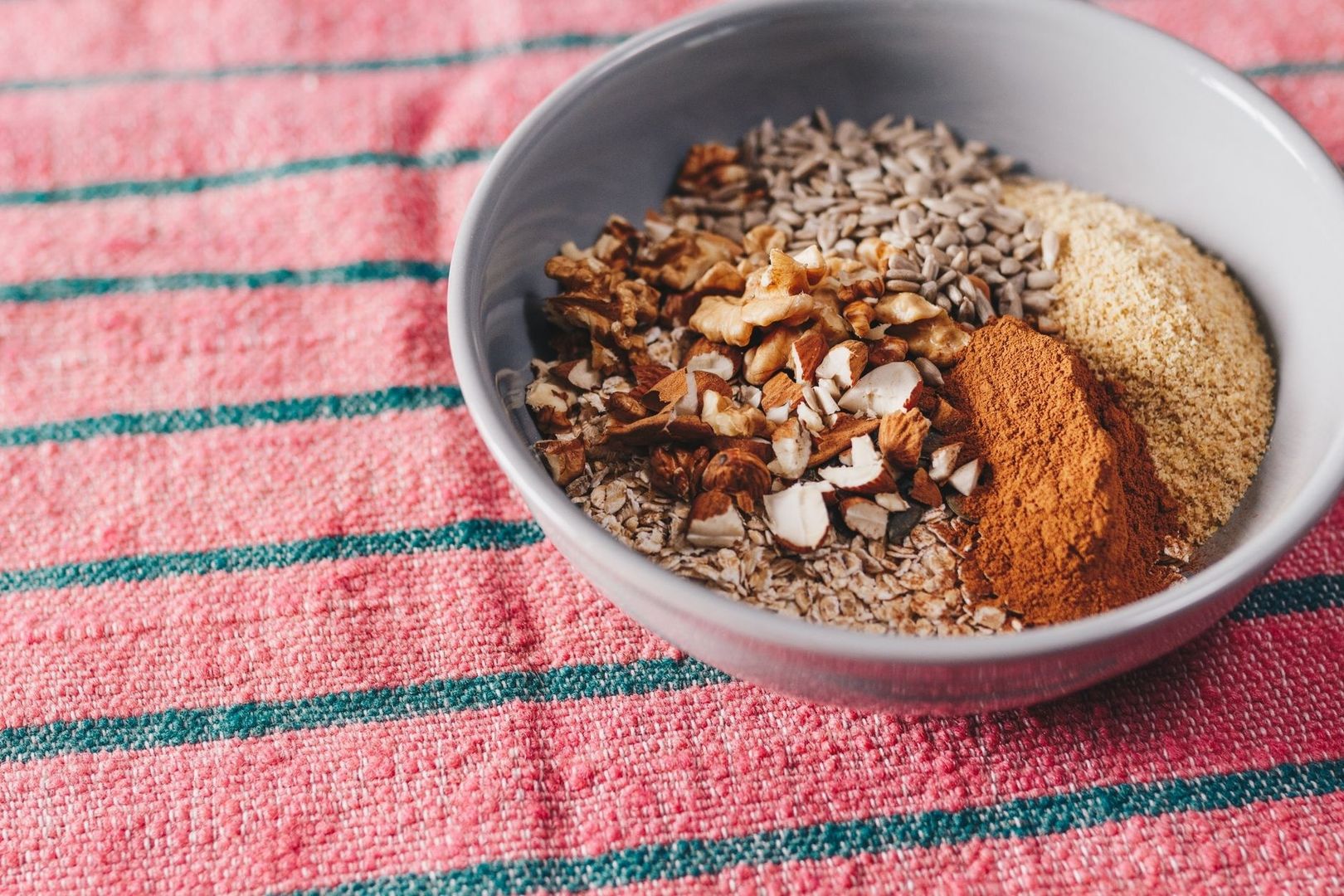
Bowl of oats, nuts, seeds, breadcrumbs, and spices on striped cloth

The Science of Satiety: Why Protein and Fibre Keep You Fuller for Longer

Beyond Willpower and the Constant 3pm Crash

Persistent mid-morning hunger and the familiar 3pm slump are rarely signs of poor discipline. They are often predictable responses to a breakfast or lunch that digests quickly and provides too little protein, fibre, or overall structure. A coffee and a sweet muffin may fit a rushed Kiwi workday, but that combination can leave the stomach relatively empty again within a short period, while fluctuating blood glucose and appetite signals encourage another visit to the biscuit tin.

Quick-fix meal replacements can create the same problem when they are treated as a complete strategy rather than one convenient option. Counting calories may describe how much energy a meal contains, but it does not fully explain how long that meal keeps you satisfied. A more useful question is whether food activates the body”s own fullness systems. Protein and fibre work together by slowing digestion, supporting steadier energy, and encouraging the release of signals that reduce food-seeking. That makes them a practical foundation for satisfying meals, without relying on fad dieting or constant restraint.

The Biology of Satiety and Gut Hormones

Appetite is not controlled by the brain alone. The gastrointestinal tract is a highly responsive communication system, continuously reporting what has been eaten, how quickly nutrients are arriving, and how full the digestive organs are becoming. Stretch receptors in the stomach respond to volume, while specialised cells in the small intestine and colon detect nutrients and fermentation products. These messages travel through the nervous system and bloodstream to appetite-regulating areas of the brain, including the hypothalamus.

Two important chemical messengers are glucagon-like peptide-1, commonly called GLP-1, and peptide YY, or PYY. For further background, see this Authoritative Source. GLP-1 can slow gastric emptying and support the feeling that a meal is lasting, while PYY helps reduce appetite after nutrients reach the lower digestive tract. When food hits the lower digestive tract, specialised cells release appetite-suppressing signals, most notably peptide YY, which travel through hormonal and neural pathways to the hypothalamus to slow gastric emptying and dial down cravings.

Highly refined snacks tend to provide plenty of rapidly available carbohydrate but little fibre and modest protein. They may taste satisfying in the moment, yet they offer less volume, less chewing, and fewer of the slowly delivered nutrients that stimulate prolonged satiety. This does not make a biscuit or sweet snack forbidden. It simply explains why a low-fibre, low-protein choice often fails to carry someone from morning tea to lunch, or from lunch through the afternoon.

  • Protein supplies amino acids and can stimulate fullness signals while supporting lean tissue.
  • Fibre adds bulk, slows the movement of nutrients, and provides fuel for beneficial gut microbes.
  • Meal volume stretches the stomach and gives the brain a clearer physical signal that eating has occurred.

Why Protein Acts as the Anchor for Everyday Energy

Protein is useful for satiety because it influences appetite at several points at once. It generally takes more work to digest, absorb, and process than carbohydrate or fat, a feature known as the thermic effect of food. The difference should not be exaggerated into a weight-loss shortcut, but it does mean that protein-rich foods tend to require more digestive processing and often provide a longer-lasting eating experience than sugary foods of similar convenience.

Once digested, amino acids support the maintenance and repair of muscle tissue. This matters during weight loss, periods of reduced activity, and ordinary ageing, when preserving lean mass becomes increasingly important. Protein can also make a meal more metabolically steady when it is eaten alongside carbohydrate, because digestion is slower and the overall meal is less dependent on a rapid influx of sugar. The strongest effect comes from the whole meal rather than from protein in isolation.

There is no single protein target that suits every adult. Requirements vary according to body size, age, activity, pregnancy, health status, and total diet. For many busy adults, a practical starting point is to include a clear protein source at breakfast, lunch, dinner, and planned snacks rather than attempting to calculate every gram. Accessible New Zealand options include eggs, plain yoghurt, milk, cottage cheese, fish, chicken, lean meat, tofu, edamame, lentils, chickpeas, baked beans, nuts, and seeds.

  • Try plain Greek-style yoghurt with oats, berries, and chia seeds.
  • Add lentils, chickpeas, eggs, tuna, tofu, or chicken to a salad or grain bowl.
  • Choose unsalted nuts, roasted chickpeas, edamame, or a carefully selected protein bar for portable eating.
  • Check labels on packaged options for protein, fibre, added sugar, and sodium rather than judging a product by its front-of-pack claims.

The Physical Power of Dietary Fibre in Slowing Digestion

Fibre is not one uniform substance. Soluble fibre dissolves or swells in water, and some types form a viscous material that slows the movement of food through the stomach and small intestine. Insoluble fibre does not form the same gel, but it adds bulk and helps support regular bowel movement. Most plant foods contain a mixture of both, which is one reason a varied diet is more useful than focusing on a single high-fibre ingredient.

Viscous soluble fibre can increase the thickness of digestive contents, delaying the rate at which nutrients are exposed to the intestinal wall. This may soften the rise in glucose after a meal and extend the release of nutrients into the bloodstream. The physical volume of fibre-rich foods also helps stretch the stomach, particularly when fibre arrives with water in foods such as fruit, vegetables, oats, beans, and soups. Comprehensive metabolic evaluations in clinical nutritional research demonstrate how viscous soluble fibres can delay nutrient absorption and influence post-meal glucose and appetite responses.

Fibre also feeds the gut microbiome. In the large intestine, microbes ferment selected fibres and produce short-chain fatty acids such as acetate, propionate, and butyrate. These compounds are involved in communication between the gut and the brain and may encourage the release of appetite-related hormones, including PYY and GLP-1. The effect is not instant, and a sudden large increase in fibre can cause bloating, so gradual increases with adequate fluid are generally more comfortable.

Comparing High-Satiety Combinations with Typical Snacks

A snack”s staying power depends on more than its calorie count. A sweetened drink and a small packet of lollies may be consumed quickly, provide little chewing, and deliver almost no fibre or protein. By contrast, an apple with peanut butter, plain yoghurt with berries, or roasted chickpeas with fruit combines carbohydrate with protein, fibre, water, and texture. These combinations tend to take longer to eat and release energy more gradually.

The table below is a practical comparison, not a set of rigid rules. Portion size, individual appetite, physical activity, sleep, stress, and the composition of preceding meals all influence how long fullness lasts.

Snack choice Typical features Likely satiety pattern
Sweet biscuit or lolly snack Refined carbohydrate, little fibre and protein Quick energy, limited fullness, hunger may return soon
Sweetened coffee drink Liquid carbohydrate, often low in fibre Easy to consume quickly, weaker chewing and volume signals
Apple with peanut butter Fruit fibre and water paired with protein and fat More chewing, slower digestion, steadier satisfaction
Plain yoghurt with berries and seeds Protein, fibre, fluid, and varied texture Strong combination of volume and nutrient delivery
Roasted chickpeas with fruit Plant protein, fibre, and carbohydrate Portable, filling, and generally longer-lasting

Simple Ways to Pair Protein and Fibre into Your Routine

The easiest approach is not to rebuild the entire diet overnight. Instead, upgrade the meals that currently lead to grazing. A breakfast based on refined cereal or toast alone may be improved by adding eggs, unsweetened yoghurt, cottage cheese, or baked beans, then including fruit, oats, wholegrain bread, or vegetables. Overnight oats with milk or yoghurt, chia seeds, and berries are particularly practical because they can be prepared in advance and carried to work.

Lunch and afternoon tea can follow the same formula. A wholegrain wrap with chicken and salad, a bean and vegetable soup with grainy toast, or a rice bowl with tofu and edamame gives the body more to digest than a small, low-fibre snack eaten at a desk. For commuting and unpredictable meetings, shelf-stable options such as a piece of fruit with nuts, roasted chickpeas, or a bar with meaningful protein and fibre can bridge the gap. A packaged option is useful when it complements whole foods, not when it replaces every meal.

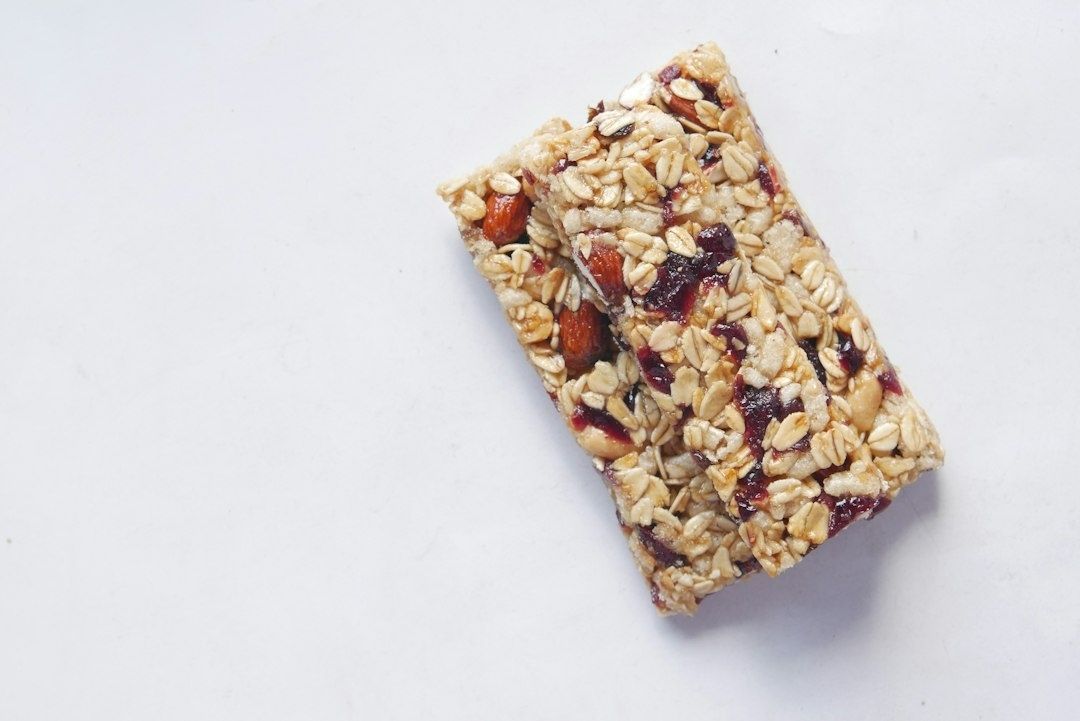
Oat, nut, and dried-fruit snack bar on a white background
A well-chosen portable snack can bridge the gap between meals by combining protein and fibre instead of relying on rapidly digested sugar.
  1. Choose the anchor. Start with one protein source such as eggs, yoghurt, tofu, beans, tuna, chicken, milk, or nuts.
  2. Add a fibre-rich plant food. Use fruit, vegetables, oats, wholegrain bread, legumes, seeds, or high-fibre crackers.
  3. Include enough volume. A small portion may not satisfy even when its ingredients are sound, so serve a realistic amount and eat at a measured pace.
  4. Prepare one portable pairing. Pack yoghurt and berries, an apple with nut butter, edamame and fruit, or a balanced bar for the busiest part of the day.
  5. Review the afternoon result. Notice whether hunger arrives later, energy feels steadier, and the need for unplanned snacking has eased. Adjust portions rather than abandoning the approach.

Take Charge of Your Hunger with Real Food Science

Protein and fibre are not magic ingredients, and fullness is not determined by food alone. Sleep, stress, medication, exercise, meal timing, and medical conditions can all affect appetite. Still, the protein-plus-fibre framework is a dependable everyday habit because it works with several natural satiety mechanisms at once. Protein supports lean tissue and appetite signalling, while fibre adds volume, slows digestion, and feeds the microbes that produce useful fermentation compounds.

A simple starting point for tomorrow is to upgrade one meal that regularly leads to cravings. Add plain yoghurt and fruit to breakfast, include beans or chicken at lunch, or pair an afternoon piece of fruit with nuts or a suitable high-protein snack. The aim is not stricter restriction. It is better structure, sensible portions, and nutrient synergy that helps everyday energy last through the working day.