Month: October 2026

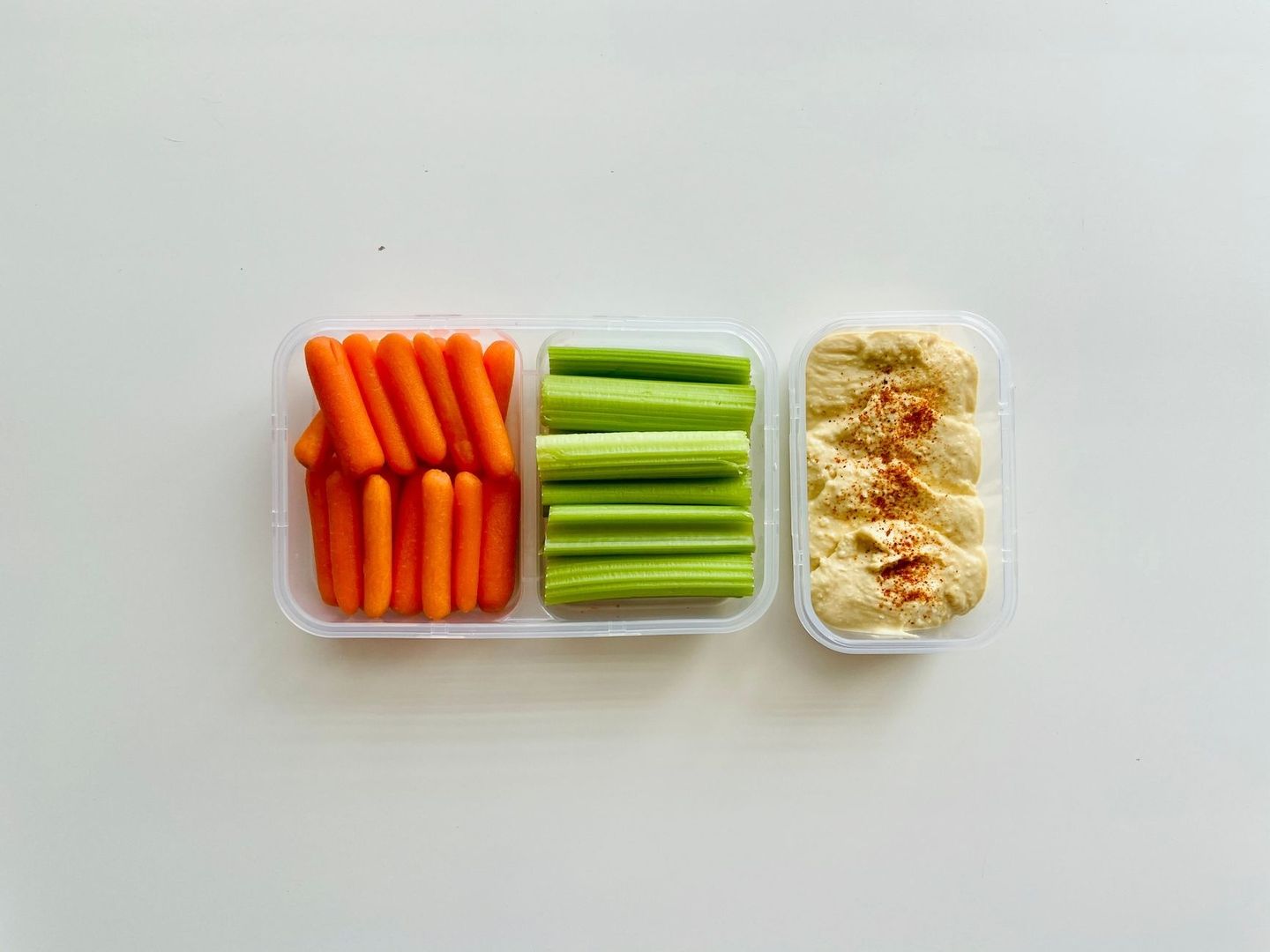
Meal-prep container with carrots, celery, and hummus for commuting

Beating the Morning Rush: Practical Snacking Routines for Busy Kiwi Commuters

Why the Morning Commute Derails Kiwi Nutrition

For many New Zealanders, breakfast begins before the day has properly started. An Auckland motorway crawl can turn a short drive into a drawn-out wait, while a delayed Wellington train can leave little time to eat before the first meeting. Tradies may be on the road before sunrise, and regional workers often face long distances between home, work, and reliable food shops. When the alarm is already competing with traffic, weather, school drop-offs, or an early site start, breakfast is easily pushed aside.

The trouble is that skipped food rarely means no food at all. Hunger catches up at the first service station, where a hot pie, pastry, iced bun, or large sweetened drink is quick, familiar, and easy to consume. These options can provide fast carbohydrate, but a meal dominated by refined flour and sugar may leave energy feeling uneven before the 9 AM meeting. A more dependable approach is to carry a small pairing that combines slow-release carbohydrate, protein, fibre, and some healthy fat. That framework does not require waking up hours earlier. It simply makes the better option easier to reach than the forecourt cabinet.

Glass jars of fruit-topped breakfast oats with spoon on marble
A breakfast built around whole grains, fruit, and complementary protein can make an early commute more satisfying and less dependent on sugary convenience foods.

The Anatomy of a Low-Crash Commuter Snack

A useful commuter snack has three parts. First comes a complex carbohydrate, such as oats, wholegrain crackers, wholegrain bread, fruit, or a lower-sugar muesli bar. These foods provide carbohydrate for fuel while generally taking longer to digest than highly refined sweets. Next comes protein, such as yoghurt, milk, eggs, cheese, roasted chickpeas, nuts, seeds, or a bar with a meaningful protein contribution. The final piece is fibre, found in oats, fruit, seeds, legumes, vegetables, and whole grains. Healthy fats from nuts, seeds, avocado, or nut butter can make the combination more satisfying.

The point is not to create a perfect formula or diagnose every commuter’s glucose response. Stress, poor sleep, caffeine, and the demands of driving can all affect how alert or hungry a person feels. However, pairing foods is generally more useful than eating a sweet item alone. Protein and fibre can help slow the movement of food through digestion and may reduce the rapid hunger rebound that follows a very sugary snack. That matters in bumper-to-bumper traffic, where physical activity is limited and the next proper meal may still be several hours away.

Reducing refined sugar is also a practical way to protect the first part of the working day. A sweet pastry may be enjoyable, but it is not a strong foundation for sustained morning eating when it is the only food available. The New Zealand adult eating and activity guidelines support a pattern built around a variety of nutritious foods, including vegetables and fruit, whole grains, legumes, nuts, seeds, and suitable protein sources. Aligning a morning routine with those principles gives the body more than a quick sugar hit and reduces reliance on convenience foods that are expensive as a daily habit.

  • Complex carbohydrate: oats, wholegrain toast, fruit, wholegrain crackers, or a seeded snack bar.
  • Protein: eggs, plain yoghurt, milk, cheese, nuts, seeds, chickpeas, or a protein-rich bar.
  • Fibre and healthy fat: berries, apples, chia, flaxseed, pumpkin seeds, peanut butter, or almonds.
  • Fluids: water, plain sparkling water, or unsweetened milk alongside coffee rather than relying on sweetened drinks.

Portable Pantry Staples for Quick Car and Train Travel

The best travel foods are not necessarily the most fashionable ones. They are the items that survive a gym bag, glove compartment, work locker, or train journey without leaking, bruising, or requiring a spoon at an awkward moment. Whole fruit such as an apple, pear, mandarin, or firm banana is simple and inexpensive. Small packets of unsalted or lightly salted nuts and seeds add protein, fibre, and healthy fat. Roasted chickpeas, wholegrain crackers, popcorn with a sensible ingredient list, and lower-sugar oat bars can also work well for commuters who need food that can be opened and eaten quickly.

Perishable items need a little more planning but can deliver a stronger breakfast. A small plain yoghurt, milk carton, cheese stick, or two frittata muffins can be carried in an insulated lunch bag with an ice pack. The table below shows practical pairings that suit different travel conditions.

Pairing Why it works Best transport option
Apple and roasted almonds Fibre and carbohydrate from fruit with protein and healthy fat from nuts Handbag, backpack, or glove compartment for a short period
Plain yoghurt and oats Protein, carbohydrate, and fibre with a soft texture Small insulated container with an ice pack
Wholegrain crackers and cheese Easy carbohydrate paired with protein and fat Lunch box or reusable snack container
Roasted chickpeas and a mandarin Fibre and plant protein balanced by a fresh, portable fruit Dry container or two small sealed packets
Oat and seed bar with milk Convenient grain and seed combination with extra protein from milk Bar in a bag, milk kept chilled

Batch Prep Made Practical for Hectic Weekdays

Batch preparation works because it moves decisions away from the most rushed part of the day. Two particularly useful options are savoury baked frittata cups and one-bowl oat seed cookies. Frittata cups can combine eggs with spinach, capsicum, cherry tomatoes, shallots, and a modest amount of feta. They are naturally portioned, easy to hold, and suitable for a breakfast that needs to be eaten before leaving home or carried to work. Oat cookies made with oats, banana or applesauce, nut or seed butter, fruit, and seeds can provide a useful carbohydrate base without depending on refined sugar, butter, or oil.

Keep the preparation deliberately plain. The goal is not to cook several elaborate dishes on Sunday, but to build enough food for the vulnerable moments in the week. A batch of six to twelve portions can cover several commutes, while shelf-stable nuts, fruit, and bars can fill the remaining gaps. This approach reflects the practical advice in the national eating statements for health and wellbeing, which emphasise everyday eating patterns that include nutritious foods and can be maintained in real life.

  1. Choose two recipes: prepare frittata cups for a protein-rich option and oat seed cookies for a portable grain-based option.
  2. Set up the kitchen: heat the oven, line or lightly oil the muffin tin, and place containers or reusable bags on the bench before mixing.
  3. Mix the frittata: whisk eggs with seasoning, fold through chopped vegetables and feta, then divide the mixture between the muffin wells. Avoid adding so many vegetables that the cups become watery.
  4. Mix the oat cookies: combine oats, mashed ripe banana or applesauce, nut or seed butter, a small amount of honey or maple syrup if needed, and seeds or dried fruit. Flatten each portion because these cookies generally do not spread by themselves.
  5. Bake and cool: bake the egg muffins until set and lightly golden, and bake the oat portions until firm around the edges. Cool everything fully before sealing to avoid trapped condensation.
  6. Pack by day: place one or two portions in individual containers, refrigerate what will be eaten within three to four days, and freeze the remainder if required. Move the next day’s portion to the refrigerator the night before.

Food safety still matters when breakfast is prepared in advance. Egg muffins and yoghurt should remain chilled, particularly during a long drive or a warm day. An insulated bag with a frozen ice pack is more dependable than leaving perishable food in a parked vehicle. Shelf-stable foods such as sealed nuts, wholegrain bars, and unopened fruit purée can remain in a work locker or bag, but they should still be checked for heat damage, stale texture, or broken packaging.

Storage can be made almost automatic. Keep a small emergency kit in the work locker with a bar, roasted chickpeas, wholegrain crackers, and a reusable water bottle. Place fruit beside the keys or coffee equipment rather than hidden in the refrigerator drawer. These small changes follow balanced everyday nutrition without requiring a hot breakfast to be cooked from scratch each morning.

Smart Petrol Station Swaps When You Are in a Bind

Even the best routine will occasionally fail. A late alarm, unexpected overtime, forgotten lunch bag, or sudden change of work location can leave the service station as the only realistic option. The aim is not to pretend that every forecourt has a full café menu. It is to select the combination that provides the most useful balance from what is actually available, while keeping cost and convenience in mind.

  • Start with a drink: choose plain water, plain sparkling water, or unsweetened milk where available. These options are generally more useful for hydration than an energy drink or large sweetened soft drink.
  • Look for nuts and seeds: choose whole roasted nuts or a small trail mix, checking the packet for added sugar and excessive salt.
  • Add fresh food: a piece of fruit, such as a banana, apple, or mandarin, is easier to carry than a prepared meal and adds fibre.
  • Use dairy sensibly: a cheese stick, plain yoghurt, or milk can add protein to fruit, crackers, or an oat bar.
  • Read the label: choose options with whole grains, nuts, seeds, or legumes near the front of the ingredient list and avoid treating a highly sweetened snack as a complete breakfast.

A meat pie is not a moral failure, and a single rushed purchase does not determine the quality of an entire diet. The practical issue is frequency and combination. If a pie is the only substantial option, adding water and fruit later may create a more balanced morning than pairing it with an energy drink and a sweet pastry. Whenever possible, a small packet of nuts, cheese, fruit, or a lower-sugar wholegrain bar is often a better-value bridge to lunch than buying several impulse items at the counter. The most effective habit is to keep one emergency snack in the vehicle or work bag, replacing it as soon as it is used.

Take Control of Your Morning Fuel Today

Steadier morning eating can make the commute feel more manageable, especially when the day involves driving, standing on a worksite, lifting, concentrating in meetings, or moving between jobs. A snack built from complex carbohydrate, protein, fibre, and healthy fat is more likely to keep hunger in check than a refined sweet item eaten alone. It can also reduce the pressure to buy whatever is closest when traffic delays or an early start disrupts the plan.

Start with one or two simple swaps this week. Put an apple and nuts beside the keys, prepare a tray of egg muffins, or keep a reliable bar and water bottle in the work bag. There is no need for perfection, expensive specialist products, or a kitchen full of complicated recipes. Sensible commuter fuel is mainly about practical consistency: make the balanced choice visible, portable, and ready before the morning rush begins.


Three bowls of dried snacks and nuts on a weathered metal surface

Plant Protein vs Whey Bars: What Actually Keeps You Fuller for Longer?

Why Your Afternoon Snack Strategy Matters More Than Ever

The mid-afternoon slump can arrive whether you are working at a desk in Wellington, driving between jobs, or halfway up a bush track. Hunger, tiredness and the need for something convenient often make a protein bar an appealing choice. It fits in a pack, does not need refrigeration and can be eaten quickly when a proper meal is still a while away.

However, not every bar delivers the same kind of fullness. Some provide a useful dose of protein but little fibre, while others rely heavily on syrups, sweeteners or sugar alcohols. The difference between whey and plant protein is therefore not simply a question of dietary preference. It is also about digestion speed, amino acid delivery, gut comfort and whether the bar contains enough fibre and healthy fat to keep hunger under control. For everyday energy, the best choice is usually the bar with the most balanced formula, not merely the most impressive protein number.

The Science of Fullness and Satiety Hormones

Protein is generally more filling than carbohydrate or fat on a gram-for-gram basis because it influences several appetite pathways. As protein is digested, it can encourage the release of satiety hormones such as peptide YY and glucagon-like peptide-1, commonly called GLP-1. These signals help the digestive system communicate that food has arrived and may reduce the drive to keep eating. Protein also tends to suppress ghrelin, a hormone associated with hunger.

The effect is real, but it is not identical for every person or every product. A fast-digesting whey bar may deliver amino acids into the bloodstream relatively quickly. That can be useful after resistance training, when convenient protein supports the day”s recovery nutrition. A bar made with pea, soy or other plant proteins, particularly when it also contains oats, nuts or seeds, may digest more gradually. The slower release can feel more useful during a long afternoon when the goal is to avoid repeated snacking rather than to prioritise rapid recovery.

Clinical research examining protein nutrition shows that post-meal fullness is influenced by the wider macronutrient mix, not protein in isolation. The findings discussed in research on protein structure, digestibility, and bioavailability help explain why a high-protein bar can still leave someone hungry if it is mostly refined carbohydrates or is too small to match the day”s energy demands.

Fibre and fat matter because they can slow the movement of food through the stomach and affect how quickly carbohydrates are absorbed. Fibre also adds physical bulk and supports regular bowel function, although a sudden large dose may cause discomfort. Healthy fats from almonds, peanuts, pumpkin seeds or chia can provide additional energy and help make a snack feel more substantial.

  • Protein supports appetite-regulating signals and helps meet muscle maintenance needs.
  • Fibre adds bulk and can slow digestion, but should be increased gradually if your gut is sensitive.
  • Healthy fats extend the energy value of a snack and can improve satisfaction.
  • Water is important alongside higher-fibre bars, particularly during hiking, cycling or hot weather.

Whey Protein Bars and the Dairy Advantage

Whey has a strong nutritional case for people who tolerate dairy. It is a complete protein, meaning it supplies all nine essential amino acids, and it is particularly rich in branched-chain amino acids, including leucine. Leucine helps activate the cellular processes involved in muscle protein synthesis, which is one reason whey is common in post-gym products.

Whey is also relatively rapidly digested. After a weights session, a whey bar can be a practical way to provide protein when a full meal is not available. This does not mean there is a narrow recovery window that must be hit perfectly, but a convenient, well-tolerated protein source can make it easier to reach an adequate daily intake. A small pilot study comparing whey and pea protein during eight weeks of high-intensity functional training found similar measured outcomes between the groups, including strength-related results. The study was small, so it should not be treated as the final word, but it shows that plant protein can work effectively in a suitable overall diet.

The main drawback is tolerance. Whey concentrate can contain more lactose than whey isolate, and people with lactose intolerance may experience bloating, cramps or loose stools. Some bars also combine whey with large amounts of glycerol, chicory root fibre or sugar alcohols, making it difficult to identify which ingredient is causing trouble. Rapid digestion can also be less satisfying when the bar contains very little fibre or fat. Hunger may return soon after the initial protein hit, especially if the bar is being used in place of a proper meal.

  • Choose whey isolate or a clearly labelled low-lactose option if dairy causes symptoms.
  • Look beyond the protein number and check fibre, total energy and added sugars.
  • Use whey strategically after training rather than assuming it is automatically the best all-purpose snack.

How Plant Blends Compare in Real Everyday Use

Plant protein is not one single ingredient. Pea protein is often valued for its useful amino acid content and substantial texture, soy protein is a complete protein, and hemp contributes protein alongside fats and fibre. Combining sources can create a more balanced amino acid profile than relying on one plant protein alone. This is particularly important because some individual plant proteins are relatively lower in specific essential amino acids, such as methionine or lysine.

Black scoop spilling pale protein powder onto a beige surface
Combining plant proteins can help create a more balanced snack, especially when paired with fibre-rich grains, nuts or seeds.

Modern protein bars commonly use isolates or concentrates rather than intact beans, grains or seeds. These refined ingredients can be highly digestible, and the review literature indicates that the lower protein availability sometimes associated with whole plant foods does not automatically apply to purified plant protein ingredients. The practical point is simple: a well-formulated blend can provide useful protein without requiring every plant source to be nutritionally perfect on its own.

Plant-based bars often have an advantage for sustained satiety because they are more likely to include oats, dates, nuts, seeds or added fibres. These ingredients can slow gastric emptying and reduce the rapid rise and fall associated with a snack based largely on sugar. That does not make every plant bar healthy. Some are effectively confectionery with protein added. The label still needs to be checked.

For tramping, long bike rides or endurance sessions, gut comfort may be more important than theoretical absorption speed. A dairy-free bar can be a better choice for someone who develops lactose-related symptoms during exercise. On the other hand, very high amounts of inulin, chicory fibre or polyols can ferment in the gut and cause gas or urgency. Test a new bar on an ordinary training day before taking it on a remote track.

Protein source Useful strengths What to check
Whey isolate Complete protein, rich in leucine, rapid digestion Dairy tolerance, price and low fibre
Pea protein Good plant-based option with a substantial texture Whether it is combined with another protein source
Soy protein Complete plant protein with a broad amino acid profile Personal tolerance and added ingredients
Hemp protein Plant protein with seed-derived fats and fibre Usually lower protein density than an isolate

Nutritional Breakdown Across Key Bar Ingredients

A bar”s calorie content should match what it is being asked to do. A compact 150-calorie bar may be enough to bridge two meals, but it is unlikely to replace lunch after a long ride. A larger bar containing protein, oats, nuts and fruit may provide more sustained energy, though it also contributes more calories. The right choice depends on whether the snack is supporting a short workday gap, a gym session or several hours outdoors.

Read the ingredient list as carefully as the front-of-pack claims. Syrups, glucose solids and concentrated fruit pastes can raise the carbohydrate content quickly. Sugar alcohols such as maltitol, sorbitol and erythritol may reduce added sugar, but larger amounts can cause bloating or loose stools in some people. A bar that contains 20 grams of fibre may look impressive, yet that fibre could be too much for a sensitive stomach during exercise.

New Zealand guidance on healthy eating and active living places the emphasis on varied, minimally processed foods, regular activity and balanced daily intake. The healthy eating and active living guidance is a useful reference point when deciding how a packaged bar fits alongside fruit, vegetables, whole grains, dairy or fortified alternatives, legumes, nuts and seeds.

  • Compare protein and fibre together, rather than choosing the highest protein figure alone.
  • Check whether the bar contains enough energy for the activity ahead.
  • Scan for several types of syrup, which can hide a high overall sweetener load.
  • Be cautious with large doses of polyols or added fibres if you are prone to gut symptoms.
  • Use bars as convenient additions to a varied diet, not as a replacement for every meal.

Choosing the Right Protein Bar for Your Lifestyle

Whey remains a strong option when rapid protein delivery and post-training convenience are the main priorities. It supplies a complete amino acid profile and plenty of leucine, making it particularly useful after resistance training or high-intensity exercise. Plant blends are often the more comfortable everyday choice when a bar needs to provide steady afternoon energy, work well during outdoor activities and avoid dairy-related symptoms.

Neither category wins every situation. The best bar is the one that suits the activity, meets your nutritional needs and leaves your stomach settled. A useful starting target is at least 10 grams of protein and 5 grams of fibre per bar, although larger athletes or longer sessions may require more total energy and protein. Treat those numbers as a practical filter rather than a guarantee of quality.

  1. Match the bar to the moment. Use a whey option when quick post-gym protein is useful, and consider a plant blend for a longer gap between meals.
  2. Check the full panel. Review protein, fibre, calories, added sugars, sugar alcohols and the serving size before relying on the front-of-pack claim.
  3. Test gut tolerance early. Try new bars during ordinary training or workdays, not for the first time halfway through a demanding tramp or long ride.
  4. Keep the wider diet in view. Pair a bar with water and, when practical, whole foods such as fruit, yoghurt, nuts or a sandwich to build a more balanced snack.