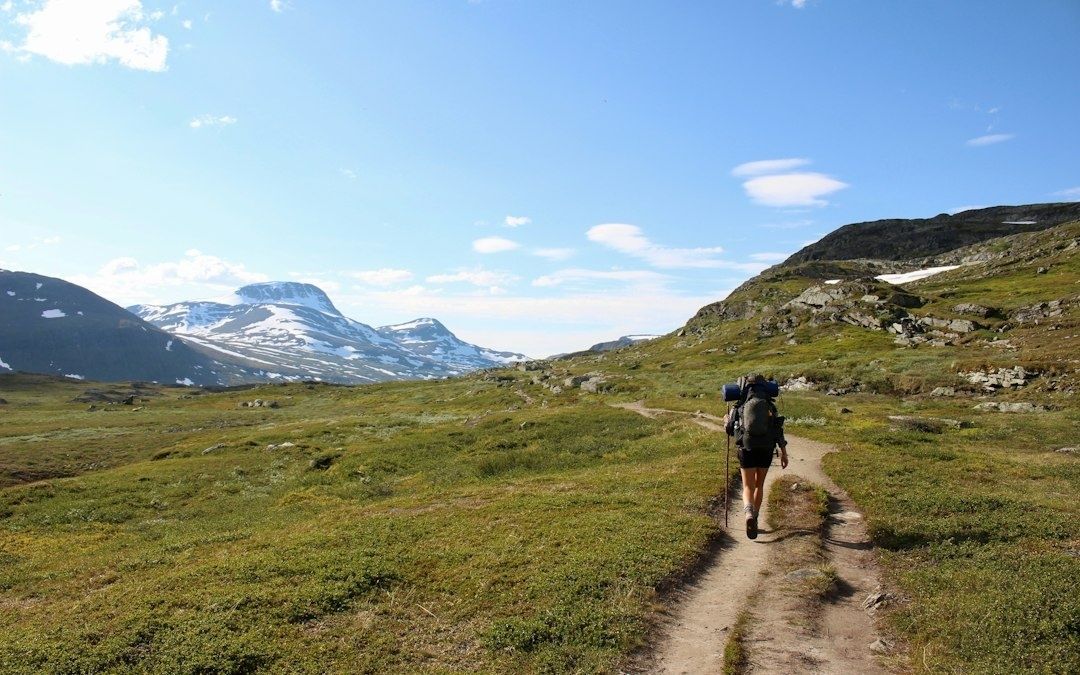
Why standard trail snacks fail on rugged Kiwi tracks
Rugged day tramping in New Zealand is rarely a gentle walk with a predictable forecast. A track can move from shaded bush to exposed ridge, wet roots, loose rock, and steep steps within a few hours. Weather can change quickly, while a demanding climb steadily drains energy even when the distance on the map looks modest. The sensible approach is to plan for a slower return, a colder afternoon, and the possibility that a river, injury, or sudden storm changes the day.
Many ordinary supermarket snacks are poorly suited to those conditions. Chocolate can turn into sticky sludge inside a warm pack, fresh fruit adds water weight and bruises easily, and soft muesli bars can become crumbs before the first serious ascent. Reliable trail fuel needs three qualities: high calorie density, resistance to rain and heat, and enough sodium and other electrolytes to support sensible hydration. The aim is not gourmet eating. It is carrying compact food that remains edible, appealing, and useful when the track becomes steep and the weather turns foul.
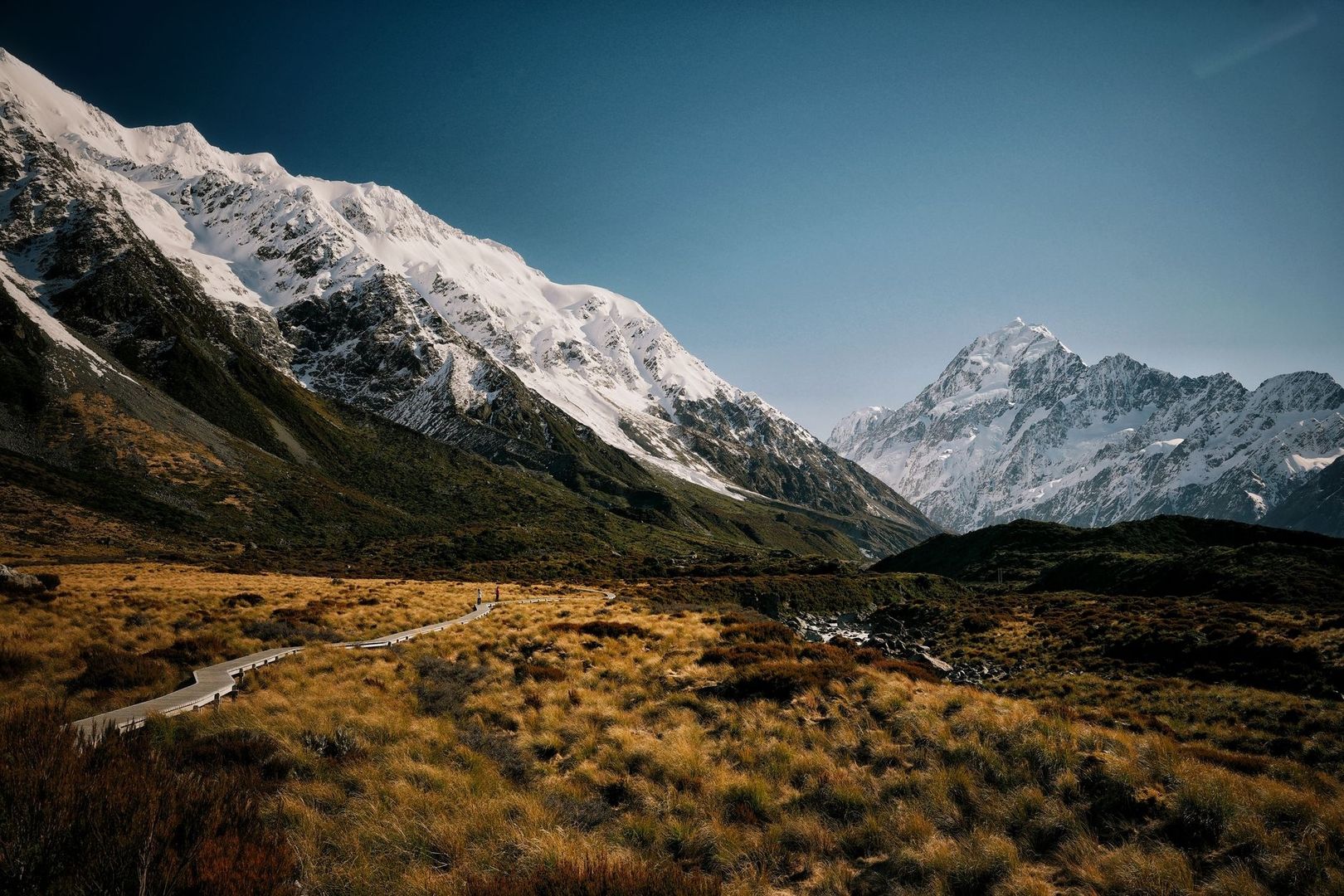
Mastering calorie density without pack bloat
Every gram matters more when a daypack already contains waterproof layers, first-aid supplies, navigation equipment, water, and emergency gear. A useful benchmark for compact tramping food is roughly 100 calories per ounce, or about 3.5 calories per gram, although exact needs depend on body size, pace, temperature, and terrain. Foods containing a useful mix of fat, carbohydrate, and protein usually provide more staying power than snacks based almost entirely on sugar.
Start by removing unnecessary packaging at home. Transfer portions into strong reusable zip pouches, label them clearly, and keep one pouch for each eating period. A tortilla with a sachet of nut butter, a handful of salted nuts, or a compact ration of jerky takes far less space than several brightly wrapped commercial products. Pantry staples such as instant oats, powdered milk, couscous, crackers, peanut butter, roasted chickpeas, raisins, and shelf-stable tuna can also cost less than branded expedition food. The key is to choose items that are ready to eat or need minimal preparation, particularly when a day trip has little margin for delays.
| Typical choice | Common problem | More resilient alternative |
|---|---|---|
| Fresh apple or orange | High water weight and bruising | Dried fruit in a small portion |
| Chocolate-coated bar | Melts in sun or a warm pack | Nut bar, oat cake, or plain biscuit |
| Large packet of chips | Bulky packaging and crushed contents | Portioned salted nuts or roasted chickpeas |
| Soft filled sandwich | Squashes and becomes unpleasant when wet | Tortilla with firm salami, nut butter, or hard cheese |
| Expensive freeze-dried meal | Costly for a short day trip | Couscous, instant mash, or noodles with a protein pouch |
Good food planning also supports responsible track use. Pack only what is needed, but do not cut emergency food to save a few grams, and bring every wrapper home. The Department of Conservation and Natural Resources provides useful broader principles around responsible recreation, including preparation and carry-in, carry-out habits. New Zealand trampers should apply the same practical standard on public conservation land: food should be compact, dependable, and leave no trace behind.
Weatherproof trail food that survives the elements
New Zealand can offer four seasons in one day, especially on exposed ranges and alpine approaches. A food pouch that stays dry in bush drizzle may still fail after hours of horizontal rain, while a pack left in direct sun can become surprisingly hot. Soft snacks crush under clothing and equipment, and high humidity can make wafers, crackers, and bars stale or sticky. Food should therefore be divided into small portions and protected before the trip, not improvised after everything inside the pack is damp.
The most reliable choices tend to be dense, fairly dry, and naturally stable. Nut butter supplies concentrated energy and can be eaten from a sachet or spread on a tortilla. Cured biltong or jerky adds protein and salt without requiring refrigeration. Salted oat cakes, firm crackers, and robust dried fruit provide carbohydrate in formats that tolerate rough handling. A savoury selection also helps prevent the sugary fatigue that can develop when every snack tastes like confectionery.
- Use a waterproof pack liner for the main food supply, then place immediate snacks in a smaller zip pouch.
- Keep one ration in a hip-belt or top-lid pocket so it can be reached without unpacking in heavy rain.
- Choose screw-top or leak-resistant containers for nut butter, hummus powder, and other oily foods.
- Keep emergency food separate from the day”s normal snacks so it is not accidentally eaten on schedule.
- Replace fragile cardboard and thin wrappers with labelled reusable bags, while retaining cooking instructions where needed.
Food variety still matters. A tortilla, salted nuts, dried apricots, jerky, and an oat-based bar offer different textures and flavours without creating much bulk. If a hot drink or simple meal is planned, instant oats, couscous, or mashed potato can provide warmth and carbohydrate with little cooking time. Carrying a small stove is a personal and trip-specific decision, but any cooking plan must account for wind, water availability, fire restrictions, and the possibility that conditions make a stop unsafe.
Managing electrolytes on brutal vertical ascents
Long, steep climbs such as the Kauaeranga Kauri Trail or the steps on the Tongariro route place a different demand on food and fluid than a flat forest walk. Continuous climbing raises breathing rate and sweat loss, while exposed sun and wind can increase fluid requirements. Muscles rely heavily on carbohydrate during sustained work, so waiting until the summit to eat often means arriving depleted, irritable, and slower than expected.
Hydration needs a sensible middle ground. Drinking too little can contribute to dehydration and greater cardiovascular strain, but forcing large amounts of plain water can dilute blood sodium and contribute to exercise-associated hyponatraemia. A review of endurance hydration research in the National Library of Medicine discusses the risks of both dehydration and overhydration, noting that fluid needs vary with intensity, duration, temperature, and sweat loss. Do not use thirst alone as a perfect measurement, but avoid treating a large water target as something that must be consumed regardless of conditions.
- Eat small savoury portions regularly, such as salted nuts, crackers, jerky, or oat cakes.
- Use an electrolyte tablet or measured drink mix according to the product instructions rather than adding random quantities of salt.
- Pair carbohydrate foods with fluid during longer climbs, especially when breakfast was several hours earlier.
- Drink steadily in response to conditions and effort instead of rapidly emptying a bottle at every break.
- Carry enough water for the route and forecast, and never assume an untested stream is safe without appropriate treatment.
Early warning signs deserve attention. Headache, nausea, unusual bloating, confusion, worsening dizziness, loss of coordination, or a sudden change in behaviour can indicate a serious hydration or heat problem and should not be pushed through. Muscular fatigue, weakness, and the first signs of cramping are also signals to slow down, eat, assess fluid intake, and take shelter if necessary. Food cannot solve every medical issue, but regular carbohydrate, sensible sodium intake, and a controlled pace can reduce the chance of reaching a crisis point.
Emergency reserves and Leave No Trace hygiene
A day tramp should include a non-negotiable reserve for an unplanned half-day, and on remote or exposed routes an extra day”s food is a more appropriate standard. Delays can follow a twisted ankle, a slow party member, a lost route, a flooded river, or weather that makes returning unsafe. New Zealand Mountain Safety Council guidance recommends carrying sufficient food for the trip plus an emergency meal, alongside suitable clothing, navigation tools, communication equipment, and water. An emergency ration should be compact, familiar, and edible without elaborate preparation.
Waste management is part of food planning. Pack peelings, tea bags, used tissues, wrappers, and uneaten food back out, since scraps can attract pests and degrade the experience for other visitors. Personal hygiene needs the same care. Toilets may be available at huts, campsites, or some car parks, but many tracks have no facilities. The Department of Conservation explains practical menstrual planning and disposal in Tampons and tramping. Used pads, tampons, liners, wipes, and similar items must be sealed, carried out, and disposed of appropriately. They should never be buried, burned, or placed in a long drop unless the facility specifically allows it.
- Check the route, forecast, daylight, water sources, river conditions, and expected return time before packing food.
- Calculate normal food for the planned day, then add a separate emergency ration that will not be eaten casually.
- Choose dense, weather-resistant staples, remove excess packaging, and portion food into labelled waterproof pouches.
- Place quick-access snacks where they can be reached during a short pause, while protecting the main supply inside a pack liner.
- Add electrolyte supplies, personal hygiene items, rubbish bags, and a leak-proof container for used materials.
- Confirm that the pack still contains water, warm and waterproof layers, a first-aid kit, headtorch, navigation tools, and emergency communication equipment.
- After the trip, inspect the pack and repack unused emergency food before the next outing.
Keep food smells contained when stopping in huts or campsites, and avoid leaving greasy residue on benches, rocks, or track structures. A simple double-bag system works well for rubbish, while a separate leak-proof bag handles hygiene waste. The goal is straightforward: carry enough to look after the group if plans change, then leave the track and surrounding catchment as clean as they were found.
Pack smarter fuel and conquer your next summit
The best day-tramping food is not necessarily the most heavily marketed option. It is dense enough to justify its weight, tough enough to survive rain and heat, and savoury enough to remain appealing after hours of effort. Nut butter, jerky, salted crackers, oat cakes, tortillas, dried fruit, nuts, and a dependable bar can form a practical food system without filling the pack with fragile wrappers or excess water.
Test combinations on short local tracks before taking them onto a major alpine day. Check whether a bar melts, whether a pouch leaks, whether the flavour remains appealing after several hours, and whether the food causes thirst or stomach discomfort. With a little trial and sensible preparation, day trampers can start at the track head with a clear plan, maintain energy through the steepest section, and retain enough food and judgement for the walk back.
