
Online Business Ideas

Close-up of mixed nuts, pistachios, almonds, and dried fruit

Beating the 3pm Slump: Why Your Afternoon Energy Crashes (And What to Eat Instead)

The 3pm Workday Fog and Why Willpower Alone Will Not Fix It

By mid-afternoon, even a productive workday can start to feel like it has run out of charge. Heavy eyelids, a fuzzy head and the sudden urge to check the biscuit tin are familiar scenes in offices, workshops and home studies across New Zealand. The shift from focused work to staring blankly at a spreadsheet can feel frustrating, particularly when the day still has several hours to run.

That slump is not necessarily a sign of poor discipline. Your body is responding to two predictable influences: the natural afternoon dip in circadian alertness and the way your lunch or earlier snacks affect blood glucose. Another flat white or a sweet café treat may provide a brief lift, but neither reliably addresses the underlying need for steady fuel, fluids and recovery. A simple snack built around complex carbohydrates, protein and healthy fats can make the final stretch of the day far more manageable.

Tired man resting his head on folded arms beside a laptop
A balanced afternoon routine can support steadier concentration when natural circadian tiredness begins to set in.

Understanding the Midday Dip Inside Your Biology

The body”s internal clock naturally creates periods when sleepiness is more likely. For someone who wakes between 7am and 9am, alertness commonly drops around the middle of the afternoon, often close to 3pm. This is not simply the result of eating lunch. It is part of the circadian pattern that regulates sleep, wakefulness, body temperature and hormone activity. The timing varies between people, and the dip may arrive earlier or later depending on chronotype, sleep routine and the demands of the day.

Food can make that normal dip feel considerably stronger. A lunch based heavily on refined white bread, sweet sauces, sugary dressings or a large dessert can raise blood glucose quickly. The body responds by releasing insulin, which helps move glucose from the bloodstream into cells. When the rise and fall happen rapidly, some people experience tiredness, poor concentration, hunger or irritability an hour or two later. Choosing higher-fibre carbohydrate sources and adding protein can produce a more gradual release of energy instead.

Sleep debt amplifies the whole experience. Too little or broken sleep can affect attention, mood and the brain”s ability to maintain alertness, making a normal circadian dip feel like an overwhelming crash. Mild dehydration can also resemble mental exhaustion, with tiredness and reduced concentration showing up before obvious thirst. A short walk outdoors, regular movement and enough water are useful alongside food, not substitutes for it.

  • Keep demanding or detail-heavy tasks earlier in the day when possible.
  • Drink water regularly rather than waiting until fatigue appears.
  • Interrupt long periods of sitting with a brief walk or stretch.
  • Pay attention if tiredness is severe, prolonged, worsening or present despite adequate sleep.

Persistent exhaustion, frequent unintended dozing or fatigue that disrupts work and daily life deserves medical attention. The ordinary 3pm dip should generally be predictable and relatively short. If it is becoming more intense or does not improve with better sleep, regular meals, hydration and movement, speak with a health professional rather than assuming the problem is simply a lack of motivation.

Why the Tea Room Biscuit Tin Sets You Up to Fail

Refined office treats are appealing for a reason. Sugar and refined starch can provide fast fuel, while the pleasant taste may produce a quick reward response that feels like a small emotional reset. A biscuit, iced bun or sweet café slice is also easy to eat while answering emails, so it fits neatly into a busy afternoon. The trouble is that the initial lift can be short-lived.

Rapid-release sugars are digested quickly and may be followed by a sharp rise in insulin. For some people, blood glucose then falls quickly, a pattern sometimes described as reactive hypoglycaemia. The result can be another wave of hunger, shakiness, sleepiness or difficulty concentrating. This does not mean that a biscuit is forbidden or that every person will respond in exactly the same way. It means that sweet, low-fibre foods are a poor foundation for reliable afternoon energy when eaten on their own.

New Zealand”s official Eating and activity guidelines support a pattern based mainly on varied, less-processed foods, including vegetables and fruit, grain foods and protein-rich choices. A wholegrain sandwich, fruit with yoghurt or crackers with tuna is more likely to keep you satisfied than a handful of confectionery. Caffeine can still have a place, but late-afternoon coffee mainly masks the sensation of tiredness by affecting alertness signals. It does not replace sleep, water or usable nourishment, and caffeine too late in the day may interfere with the following night”s sleep. That can set up another difficult afternoon.

The Snack Formula That Delivers Lasting Fuel

A reliable desk snack has three useful components: a complex carbohydrate, a quality protein source and a modest amount of wholesome fat. Complex carbohydrates from fruit, wholegrain crackers, oats or legumes provide glucose more gradually, especially when they contain fibre. Protein supports fullness, while fats such as those in nuts, seeds, avocado or cheese slow digestion and add staying power. Together, these foods are less likely to create the sharp rise and fall associated with a sugary snack eaten alone.

Portion size matters. A snack of around 800 kilojoules is described as suitable for many people, although needs vary with body size, activity, meal timing and individual health goals. The aim is enough food to bridge the gap to dinner, not a second full meal that leaves you sluggish. The Healthy eating, active living – HE1518 guide is a useful reference for combining foods from different groups while keeping highly processed foods high in sugar, salt and saturated fat as occasional choices.

Slump-inducing choice Steadier alternative
Sweet biscuit with coffee Apple or pear with natural peanut butter
White toast with sweet spread Wholegrain crackers with tuna or hummus
Sweet bakery slice Plain Greek yoghurt, walnuts and kiwifruit
Crisps or confectionery Roasted chickpeas or edamame with fresh vegetables

Five Simple Kiwi Desk Snacks You Can Assemble in Minutes

The best work snack is one that is realistic enough to prepare and appealing enough to eat. None of these combinations requires elaborate cooking, specialist ingredients or restrictive rules. Prepare two or three components at home, store them safely and keep a backup option available for unexpectedly long meetings or delayed lunches.

  • Wholegrain crackers with a savoury topping: Add canned tuna, hummus or sliced cheddar cheese. The crackers provide a higher-fibre carbohydrate base, while the topping contributes protein and, depending on the choice, useful fats. If using tuna, choose a small sealed portion and follow storage instructions carefully.
  • Plain Greek yoghurt with walnuts and kiwifruit: Use unsweetened yoghurt, a small handful of raw walnuts and sliced kiwifruit. This combination brings protein, fibre, natural carbohydrate and satisfying fat without relying on a heavily sweetened yoghurt.
  • Apple or pear with natural peanut butter: Slice the fruit shortly before eating, or take it whole and add a measured spoonful of peanut butter. Choose peanut butter with a short ingredient list where possible, and check for added sugar or salt if those are concerns.
  • Roasted chickpeas or edamame: Keep a portion in an airtight jar at the desk, provided the product is suitable for room-temperature storage. Chickpeas and edamame offer plant protein and carbohydrate, while their texture can make a small portion feel more substantial.
  • Boiled egg with cherry tomatoes: This is a straightforward savoury option for people who do not want another sweet snack. The egg provides protein and fat, while tomatoes add freshness and fluid. Keep the egg chilled until needed and observe food-safety guidance.

For a packaged bar or other convenience snack, look beyond the front-of-pack claims. Check the ingredient list, fibre content, protein content, added sugars and portion size, then pair the snack with fruit or water if it needs more volume. Convenience is not the problem. A convenient choice becomes more useful when it contributes balanced nourishment rather than delivering mostly sugar.

Reclaim Your Afternoons Starting Tomorrow

Afternoon fatigue is manageable for many people, but it is not best addressed through brute determination. Circadian biology creates a genuine dip, and a refined, low-fibre lunch can deepen it. A balanced snack gives the body a steadier supply of carbohydrate while protein and healthy fats help control digestion and fullness. Better sleep, regular water and short movement breaks complete the strategy.

  1. Pack one balanced snack alongside lunch, such as yoghurt with walnuts, crackers with tuna or fruit with peanut butter.
  2. Eat it before you are completely ravenous, often around the point when concentration first starts to fade.
  3. Drink a large glass of water and take five minutes away from the screen for a walk or gentle stretch.

Small changes are easier to repeat than an all-or-nothing eating plan. Keep a practical option in the work bag or office fridge, build meals around less-processed foods and treat caffeine and sweet snacks as optional extras rather than emergency fuel. If tiredness remains severe despite sensible routines and adequate sleep, arrange a health assessment. The goal is not to eliminate every natural lull, but to finish the working day with enough steady energy to make the last few hours count.

Close-up of oat snack bars with chocolate chips on parchment paper

How to Read a Nutrition Information Panel on Kiwi Snack Bars

Looking Past the Front of the Box on Kiwi Supermarket Shelves

Snack bar packets are designed to catch the eye. Words such as “natural”, “wholegrain”, “high protein”, “no refined sugar” and “goodness inside” can make a product appear wholesome before the ingredients have had a proper look. In a busy New Zealand supermarket, that front-of-pack messaging is often doing more work than the food itself. A bar can contain oats, nuts or dried fruit and still be high in sugar, low in fibre, or closer to confectionery than a balanced snack.

The more useful information is usually on the back. Turning the packet over and checking the Nutrition Information Panel, followed by the ingredients list, gives a clearer picture of what the bar actually provides. This does not mean every snack needs to be perfect. It simply gives parents, commuters, hikers and desk workers a quick way to choose a bar that better suits the occasion, without guilt or complicated food rules. The same habit also makes it easier to compare products such as better snack bars for everyday energy when several options look similar on the shelf.

Decoding the Panel Layout and the Per 100g Rule

A Nutrition Information Panel, or NIP, is presented in a standard format governed across Australia and New Zealand by Food Standards Australia New Zealand. It generally lists energy, protein, total fat, saturated fat, carbohydrate, sugars and sodium. The panel usually shows these amounts both “per serving” and “per 100g”. Dietary fibre may also appear, particularly when a product makes a fibre-related nutrition claim. The official Food Standards Australia New Zealand labelling guidance explains how these values help consumers compare packaged foods.

The serving column is useful, but it needs context. One brand may define a serving as a 25g mini bar, while another calls a 50g bar one serving. A product can therefore look lower in sugar or energy simply because its stated serving is smaller. Some multipack bars also contain several pieces, and the suggested serving may not match how much a hungry child or adult actually eats.

The per 100g column is the fairest comparison because it puts different bar sizes on the same scale. It allows a 30g muesli bar, a 45g protein bar and a larger nut bar to be compared without relying on manufacturer-defined portions. The approach recommended by Health New Zealand”s food label guidance is especially useful when checking sugar, saturated fat, sodium and fibre across similar products.

Skittles snack packet showing its Nutrition Facts panel
Comparing values per 100g makes it easier to judge similar snack bars fairly, even when their serving sizes differ. This quick check can show whether a product”s front-of-pack promises are supported by its nutritional profile.
  • Use “per serving” to understand what one bar contributes to the day.
  • Use “per 100g” to compare different brands and bar sizes.
  • Check the serving weight before assuming the numbers match your usual portion.
  • Remember that total sugars include both naturally occurring and added sugars.

Quick Benchmarks for Fibre and Protein That Keep You Full

Protein and dietary fibre are two of the most useful numbers to check when a bar is intended to carry a person from breakfast to lunch or through an afternoon dip. Protein contributes to fullness and helps support body tissues, while fibre adds bulk and is digested more slowly than many refined carbohydrates. Bars made with nuts, seeds, legumes and wholegrains tend to offer more of both than bars built mainly from syrups, puffed rice or fruit pastes.

There is no single perfect number for every person or situation, but practical benchmarks make the choice faster. For a typical 30g to 40g bar, around 4g or more of protein is a useful target, while 3g of fibre is a strong result. A bar providing at least 1.5g of fibre can still fit a balanced snack, particularly if the rest of the day includes vegetables, fruit, wholegrains and legumes. On the per 100g panel, higher-fibre bars commonly provide around 7.5g or more, while protein-rich options may reach 10g or above.

<td About 2.5g or less

Nutrient Practical minimum per bar Stronger target per bar What it helps indicate
Protein About 3g 4g or more More staying power and substance
Fibre About 1.5g 3g or more Greater fullness and a less refined profile
Energy Depends on the situation Often 600 to 750kJ Whether the bar suits a light snack or active day
Saturated fat Keep modest A better everyday choice when bars are eaten often

Unmasking Hidden Sugars and Sweet Aliases in the Ingredients

The ingredients list adds detail that the NIP cannot provide. Ingredients are listed from greatest to least quantity by weight, so the first few ingredients deserve particular attention. If sugar, syrup, chocolate coating or a concentrated fruit ingredient appears near the beginning, the product is likely relying heavily on sweetness. Guidance from Health New Zealand recommends looking for fat, sugar or salt near the top of the list, as this can signal a less balanced packaged food.

Sugar does not always appear as the word “sugar”. Common names in snack bars include brown rice syrup, golden syrup, glucose syrup, malt extract, honey, maple syrup, molasses and fruit juice concentrate. Maltodextrin is another ingredient worth noticing because it is a rapidly digested carbohydrate often used to add sweetness, bulk or texture. Terms ending in “-ose”, such as glucose, fructose, dextrose and sucrose, can also identify sugar-based ingredients.

  • Brown rice syrup and golden syrup are still concentrated sweeteners.
  • Fruit juice concentrate can contribute substantial sugar without the fibre of whole fruit.
  • Date paste, date syrup and puréed dried fruit may sound wholesome but remain concentrated sources of sugar.
  • Honey and maple syrup are natural in origin, but they still count as added sweeteners when used in a bar recipe.
  • Maltodextrin can increase the carbohydrate load even when the packet avoids familiar sugar wording.

The key distinction is between sugar naturally present inside a whole food and sugar added in concentrated form. An apple or banana brings fibre, water and a more intact food structure alongside its natural sugars. A bar made with fruit juice concentrate or a smooth fruit purée may contain much less of that original structure. The total sugars line on the NIP includes both types, so the ingredients list is needed to work out where those sugars come from. A “no added sugar” claim also does not automatically mean a product is low in sugar, because concentrated fruit ingredients can still contribute considerably.

Your Five-Second Aisle Checklist for Smarter Snacking

A quick label check does not need to turn grocery shopping into a research project. With practice, most bars can be assessed in a few seconds by checking the panel in the same order each time. Start with the ingredients, then confirm fibre, protein, sugar and serving size. If the bar is for a long tramp or a demanding sports session, higher energy may be useful. If it is for a school lunchbox or an office drawer, a smaller, less sweet bar may be more suitable.

  1. Scan the first three ingredients. Look for oats, wholegrains, nuts, seeds, legumes or whole fruit before syrups and sweet coatings.
  2. Check the per 100g column. Use it to compare similar bars rather than relying on different serving sizes.
  3. Look for fibre. Aim for about 1.5g per bar as a basic floor, with 3g or more a useful stronger target.
  4. Check protein. Around 4g per bar is a practical benchmark when sustained fullness matters.
  5. Read the sugar total and the aliases. A lower number is generally preferable for an everyday bar, but also check whether syrups or concentrates appear prominently.
  6. Notice saturated fat and sodium. These matter particularly when bars are eaten frequently or alongside other processed foods.

The Health Star Rating can provide a quick starting point, but it is intended mainly for comparing products within the same category and does not replace the NIP. The Healthify label guide also recommends considering ingredients, fibre, saturated fat, sugar and sodium together. Flexibility matters: a bar for a mountain walk does not need the same profile as a small school snack, and an occasional sweet bar can fit within an otherwise varied diet.

Take Control of Your Trolley with Confidence

A Nutrition Information Panel turns a vague health impression into information that can be compared. The per 100g column removes the confusion created by inconsistent serving sizes, while fibre and protein indicate whether a bar is likely to offer genuine substance. The ingredients list then reveals whether the sweetness comes mainly from whole fruit or from a collection of syrups, concentrates and other sugar aliases.

These checks are not about banning particular foods or chasing a flawless label. They are about making a better choice for the job at hand, whether that means a steady afternoon snack, a lunchbox addition or extra fuel for an active day. Once the habit is familiar, the back of the packet can be read quickly and calmly. On the next supermarket trip, a few seconds of label checking can help put practical nutrition, value and confidence back in control of the trolley.

Person working on a laptop with a task list and calendar interface

Ditching the 9am Stand-Up: How NZ Teams Can Cut Meeting Fatigue for Good

The Quiet Toll of the Daily Morning Stand-Up

Across New Zealand”s small businesses, startups, and hybrid teams, the 9am video stand-up has become an easy habit. Everyone joins the same call, takes a turn, and reports what happened yesterday and what is planned for today. It looks efficient on the calendar, particularly when the team is spread between Auckland, Wellington, Christchurch, and home offices. Yet a routine built for convenience can quietly become one of the biggest interruptions in the working day.

For many people, the morning begins with a rushed commute, family responsibilities, or a quick breakfast before the first notification arrives. Opening a video call immediately adds screen strain and social pressure before the brain has had a chance to settle into focused work. Tools that support asynchronous work offer a practical alternative, allowing routine updates to happen without requiring every person to be online at exactly the same time. The key question is simple: does a live status meeting create useful alignment, or does it make the whole team wait to exchange information that could have been written down?

Why Synchronous Status Calls Are Dragging Down Productivity

A live round-robin often rewards speed and confidence rather than careful thinking. The person who speaks first, talks most comfortably, or has the strongest presence on camera can shape the conversation, while quieter team members may offer only a brief update even when they have important context. This is a poor setting for decisions that need evidence, alternatives, or considered disagreement. As Atlassian”s guidance on async decisions explains, ad hoc meetings can encourage groupthink, blur ownership, and allow the loudest participant to dominate.

Video calls also create cognitive friction that is easy to underestimate. Participants must monitor the meeting, interpret facial expressions through a small screen, wait for audio delays, and prepare a response while listening to everyone else. Even when the subject is straightforward, sustained digital face-time consumes attention. After the call, the team may need another period to recover concentration, especially if the meeting has interrupted a writing task, analysis, coding session, or customer work.

The time cost is not limited to the scheduled 15 or 30 minutes. A distributed team member may stop meaningful work several minutes beforehand, check the agenda, deal with a connection issue, and remain mentally tied to the call afterwards. Multiply that by five or ten people, every weekday, and a short status meeting becomes a sizeable labour expense. The hidden cost is even greater when someone has only two minutes of relevant information but must wait for every other update before returning to the task at hand.

  • Attention loss: frequent context switching makes it harder to sustain deep work.
  • Unequal participation: fast, confident speakers can receive more influence than people who need time to reflect.
  • Repeated information: updates are often shared once, then forgotten because they are not recorded in a useful place.
  • Calendar drag: people organise their morning around a meeting instead of around the work that creates value.

Comparing Live Calls Against Written Check-Ins

A written check-in does not mean creating another complicated process. A shared document, project channel, or task board can hold three simple prompts: what was completed, what is next, and what is blocked. Team members add their update during an agreed window, then review the notes when it suits their workload. This creates a permanent record, reduces the pressure to remember details on demand, and gives managers a clearer view of progress over time.

Live stand-up Written check-in
Requires everyone to attend at one time Allows updates within a defined response window
Relies on memory and verbal summaries Creates a searchable record with links and detail
Can favour the quickest or loudest voices Gives each person equal space to contribute
Often interrupts the strongest focus period Protects mornings for concentrated work
Roadblocks may be discussed without clear ownership Blockers can be assigned, tracked, and escalated deliberately
Useful information can disappear when the call ends Decisions and follow-up actions remain accessible
Team members collaboratively assembling a large jigsaw puzzle at a table
Shared written workflows give distributed teams a common view of progress while preserving time for focused work and thoughtful contribution.

The wellness benefit is practical rather than theoretical. Removing a compulsory early video call gives staff more breathing room at the start of the day. They can take a proper break, complete a short physical routine, prepare children for school, or begin a demanding task without watching the clock. Written updates also make it easier to accommodate different working patterns, provided expectations are clear and no one is expected to reply instantly. The aim is not to make people permanently available. It is to replace forced simultaneity with dependable visibility.

A Four-Step Framework to Move Routine Updates into Shared Docs

The transition works best when it is treated as a small operating change rather than a grand transformation programme. Start with the tools already in use. If the team lives in Microsoft Teams, use a channel and a pinned template. If work is managed in Slack, create a dedicated update thread. A shared Google Doc, Notion page, project board, or repository may suit another team. The best system is the one that people can open quickly, understand immediately, and maintain without administrative fuss.

  1. Create a short template: ask each person to record completed work, the next priority, and any blocker. Add links to relevant tickets, files, or customer notes rather than copying large amounts of background information.
  2. Set a response window: choose a practical period, such as updates by 10am and review by midday. This provides coordination without implying that every message deserves an immediate reply.
  3. Give blockers an owner: require each roadblock to name the person who needs to act, the help required, and the point at which escalation is appropriate. Avoid turning every blocker into an impromptu group call.
  4. Review and adjust: after two weeks, check whether work is moving, whether important risks are visible, and whether any issue genuinely needs a live discussion. Keep the process that helps and remove the rest.

Documentation ownership matters. A shared page becomes unhelpful when everyone assumes someone else will keep it accurate. Assign responsibility for maintaining the template, checking unresolved blockers, and archiving old updates. That does not mean one manager writes everyone”s status report. It means the system has a custodian who can spot gaps and improve the process.

Leaders also need to model the behaviour they want. If written updates are due by 10am but a manager starts chasing people at 9.05am, the team will quickly learn that the stated flexibility is not real. Protecting the morning means protecting it from unnecessary direct messages, surprise calls, and status requests as well. A calm start can support better concentration, more sustainable energy, and a healthier separation between work and personal responsibilities.

Saving Real-Time Conversations for What Actually Matters

Removing the daily stand-up does not mean banning meetings. Live interaction remains valuable when the work depends on rapid exchange, emotional nuance, or shared exploration. Creative brainstorming, sensitive performance conversations, urgent incident response, customer escalation, onboarding, and complex interpersonal support are stronger candidates for a call. The test should be whether real-time presence changes the quality or speed of the outcome, not whether a meeting has always appeared on the calendar.

  • Use a live session for: complex problems with several interacting variables, difficult conversations, collaborative ideation, and genuine emergencies.
  • Use written communication for: routine progress reports, simple approvals, reference information, project decisions, and questions that do not require an immediate answer.
  • Use a hybrid approach for: a documented proposal followed by a short discussion only if written feedback identifies disagreement or uncertainty.

Fewer meetings can improve morale because employees experience greater control over their day. That is particularly important in hybrid workplaces, where a person may already be managing home distractions, variable internet connections, commuting days, or responsibilities across different time zones. Practical advice on running better remote meetings still applies when meetings are necessary: use a clear agenda, invite only the people needed, assign ownership, and record decisions and next steps.

The broader culture should be built around outcomes rather than visible busyness. A person who contributes a careful written analysis at 11am may be adding more value than someone who attends every call and provides rapid but shallow updates. Clear goals, sensible deadlines, and accessible documentation create trust without demanding constant proof of activity. Real-time meetings then become purposeful moments for collaboration, not daily evidence that everyone is online.

Reclaim Your Team Energy and Morning Focus

Replacing the habitual 9am stand-up with a structured written check-in can reduce daily screen exposure, improve the quality of information, and make responsibility easier to follow. It gives thoughtful contributors room to explain progress, provides managers with a lasting source of truth, and makes blockers visible without pulling the entire team into a discussion. Just as importantly, it signals that focused work and personal well-being are legitimate parts of a productive day.

A two-week trial is enough to test the idea without creating unnecessary risk. Keep the old meeting off the calendar, introduce a three-question template, define the update and review windows, and track only a few measures: missed dependencies, unresolved blockers, delivery progress, and team feedback. If a particular issue needs discussion, schedule a targeted conversation rather than restoring the full daily call. For Kiwi teams seeking a calmer and more sustainable way to work, the most useful meeting may be the one that no longer needs to happen.

Building a Sustainable Business Model in a Changing Economy

For New Zealand entrepreneurs and small business owners, navigating today’s economic landscape feels like sailing in constantly shifting winds. Change isn’t just happening; it’s accelerating, driven by technological leaps, evolving customer expectations, and a growing awareness of our collective environmental and social responsibilities. Building a business that lasts requires more than just chasing short-term profits. It demands a sustainable business model – one rooted in resilience, adaptability, and a clear-eyed view of the future. The global pandemic served as a stark reminder, accelerating trends already in motion and forcing many of us to fundamentally rethink how we operate, as noted in Harvard Business Review. This isn’t about mere survival, especially with recent data showing sales declines for many NZ small businesses (NZBusiness Magazine); it’s about designing a business that can thrive, adapt, and contribute positively, regardless of the economic weather in Aotearoa.

Why sustainability matters now more than ever

The ground beneath our feet is constantly moving. Technological advancements like Artificial Intelligence (AI) and automation are reshaping industries at an unprecedented pace, as highlighted by The Business & Financial Times. Simultaneously, customers increasingly demand personalised experiences and expect businesses to demonstrate genuine social and environmental responsibility. We’re operating in what some analysts call a ‘winner-take-all’ economy, where simply being average isn’t enough to guarantee long-term success. As insights from McKinsey suggest, the most successful companies are those constantly experimenting and innovating their operating models. This environment demands a broader definition of ‘sustainability’. It’s not just about being ‘green’; it encompasses building a commercially viable operation designed for long-term resilience, considering the needs of all stakeholders (employees, customers, community, planet), and being transparent about your impact. It’s about actively future-proofing your organisation against inevitable shocks and changes, creating a model that endures because it creates value responsibly.

Key components of a sustainable and resilient model

Creating a truly sustainable and resilient business model isn’t about focusing on one single element. Instead, it requires building strength across several interconnected pillars. These pillars support each other, creating a robust structure capable of weathering storms and adapting to new opportunities. Let’s explore the foundational elements essential for New Zealand businesses aiming for long-term success in this dynamic environment.

Strategic foresight and adaptability

Reacting to change is necessary, but proactively anticipating it is where true strategic advantage lies. Gone are the days when a static five-year plan was sufficient. Today, we need dynamic strategies built on foresight. A powerful tool for this is scenario planning – a structured way to imagine different potential futures and develop strategies robust enough to succeed across various possibilities. Think asking simple questions like, ‘What if our main supplier doubles prices?’ or ‘What if demand for our core service drops 20%?’ As Peter Scoblic highlights in his work discussed on the HBR IdeaCast, this involves institutionalising imagination and engaging in a continuous cycle of envisioning the future and acting in the present. It”s about developing strategic agility, the capacity to manage evolving circumstances effectively, even if it means deviating from core activities, a concept also emphasised by frameworks like BSI’s Organizational Resilience model. Staying informed about political, economic, social, technological, and environmental trends is crucial for anticipating shifts and adapting proactively, something essential for navigating NZ’s interconnected global economy.

Integrating environmental and social responsibility

Sustainability in the 21st century intrinsically links economic viability with environmental stewardship and social equity. Increasingly, Environmental, Social, and Governance (ESG) factors – essentially how a company performs as a steward of nature, manages relationships with stakeholders like employees and communities, and runs itself ethically – are not just ‘nice-to-haves’ but critical components influencing investment, customer loyalty, and brand reputation, as detailed by the University of Leeds. This often means shifting from traditional linear ‘take-make-dispose’ models towards more circular approaches, where resources are reused, repaired, or repurposed instead of simply being thrown away. Businesses can explore models focused on delivering functionality rather than just selling products (like a tool library renting equipment instead of selling it), or creating value from what was previously considered waste. The success of Kiwi businesses like Rescued Kitchen, which thrives by upcycling food waste into new products, demonstrates the market potential of integrating sustainability at the core. For NZ businesses, often trading on a ‘clean green’ image and the principles of Kaitiakitanga (guardianship), integrating genuine environmental and social responsibility resonates strongly with both domestic and international customers.

Operational resilience and continuity

A sustainable business must be able to withstand disruptions. Operational resilience is the bedrock of this capability – defined by regulators like the Financial Markets Authority (FMA) as the ability to deliver critical operations through disruptions. These disruptions can range from cyberattacks and technology failures to supply chain breakdowns or natural disasters, a significant consideration in New Zealand. Building resilience involves strong governance, a deep understanding of potential risks through regular assessment, robust management of third-party dependencies (like key suppliers), and strong cyber defences. For small businesses, practical steps are crucial. Research from MBIE highlights a gap between perceived and actual resilience among NZ SMEs, often because basic measures like adequate insurance or robust data backup aren’t in place. Implementing solid continuity and contingency plans, including secure off-site data backup (for customer lists, process manuals, not just financials) and clear communication protocols for emergencies, is fundamental.

Leveraging data and technology strategically

In the digital age, data and technology are no longer just support functions; they are strategic assets crucial for building a sustainable competitive advantage. Businesses that effectively harness data analytics, AI, and digital tools can make smarter decisions, understand their customers on a deeper level, personalize offerings, and streamline operations for greater efficiency. In the NZ context, where businesses often need to be nimble, leveraging accessible data and tech strategically allows small firms to compete effectively. This extends to people management, where data can inform talent acquisition, development, and performance strategies. However, leveraging advanced tools like AI effectively requires a foundation of quality data. Insights from Mercer stress the importance of developing clear strategies for talent insights and ensuring data reliability to unlock the full potential of AI in areas like performance management and skills identification. For small businesses, this doesn’t necessarily mean expensive enterprise systems; it starts with strategically using accessible tools like CRM software or website analytics to gather insights and automate where possible.

Purpose-driven leadership and culture

Why does your business exist beyond making money? A clearly defined and genuinely lived purpose acts as a north star, guiding decisions and inspiring employees and customers alike. Research indicates that while most employees value purpose, many don’t feel it’s effectively implemented in their organisations. Purpose needs to translate into action, informing strategic choices, sometimes even difficult ones. Alongside purpose, a strong organisational culture, built on clear values and consistent behaviours, is critical for attracting and retaining the right talent in NZ’s competitive market. Think of Toyota’s focus on continuous improvement or Netflix’s emphasis on freedom and responsibility – these aren’t just slogans but deeply embedded principles that shape how people work. Building this kind of culture requires conscious effort from leadership to ensure values are consistently demonstrated throughout the organisation, fostering trust and transparency (BSI).

Fostering continuous learning and skills development

The skills required to succeed today may not be the ones needed tomorrow. Automation, AI, and evolving market demands mean that continuous learning and adaptation are essential for both individuals and the organisation. A sustainable business model incorporates strategies for identifying future skill needs and actively invests in upskilling and reskilling its workforce. As highlighted by sources like theHRDirector, this means promoting a culture where learning is ongoing. This can involve providing access to online courses, supporting professional development certifications relevant to NZ industries, and creating internal pathways for growth. Effective Learning and Development (L&D) strategies, often leveraging flexible digital platforms suitable for hybrid work models, signal to employees that the company invests in their future, boosting engagement and retention. Crucially, skills development should be linked to performance expectations and career progression opportunities, ensuring that learning translates into tangible value for both the employee and the business.

Building agile and engaged teams

Traditional hierarchical structures are often too slow and rigid for today’s fast-paced environment. Many successful companies are moving towards more flexible, team-based models, organising work around projects and empowering teams with greater autonomy. This agility allows for quicker responses to market changes and fosters collaboration across functions, vital for smaller NZ businesses needing to pivot quickly. Supporting this requires effective performance management systems that focus on clear goals aligned with business objectives, regular constructive feedback, and equipping managers with coaching skills. Furthermore, fostering employee engagement goes beyond tasks and targets. It involves creating a positive work environment that prioritises well-being, offers flexible work arrangements where feasible, and ensures open communication. As small business owners know, resilience starts with personal well-being; resources like those from business.govt.nz offer tips on managing stress, seeking mentorship, and building personal resilience, which is foundational for leading resilient teams.

Putting it into practice actionable steps for NZ entrepreneurs

Understanding the theory is one thing; implementing it in your day-to-day business is another. Building a sustainable model doesn’t require a massive overhaul overnight. It’s about taking consistent, deliberate steps. Here are some practical actions you can start taking:

  • Define Your ‘Why’: Go beyond profit. What is your business’s core purpose? How do you aim to make a positive impact in your community or industry? Articulating this provides direction and motivation (guidance from business.com).
  • Embrace ‘What If’ Thinking: Dedicate even a small amount of time to scenario planning. Consider potential disruptions (e.g., Ask: What if our key export market faces a downturn? What if a major competitor enters our local area?) and brainstorm responses. This builds preparedness.
  • Listen to Your Customers: Actively seek and analyse customer feedback. Implement feedback loops – surveys, social media monitoring, direct conversations – to ensure your offerings evolve with their needs (SEI Insights).
  • Shore Up Your Defences: Assess your operational resilience. Start with the basics: review your insurance coverage (is it adequate for current risks?), implement robust data backup procedures (cloud and physical off-site), and create simple continuity plans for critical functions (e.g., how to operate if your main premises are inaccessible).
  • Explore Sustainable Opportunities: Look for ways to improve resource efficiency (energy, water, materials), reduce waste, or explore circular economy principles relevant to your industry. Could you offer repairs, use recycled/upcycled materials (like Rescued Kitchen), or partner with others for waste reduction?
  • Invest in Your Team: Identify key skills needed for the future (digital literacy, adaptability, specific technical skills) and provide learning opportunities. Prioritise well-being and create channels for open communication and feedback.
  • Leverage Accessible Tech: Explore affordable digital tools for marketing (social media schedulers), customer management (simple CRMs), analytics (Google Analytics), or process automation (online booking systems). Start small and focus on tools that solve specific problems or save significant time.
  • Build Your Network: Cultivate strong relationships with suppliers, customers, and even complementary businesses in NZ. Strategic partnerships can provide access to new markets, expertise, and resources, helping you scale or innovate.
  • Stay Curious and Seek Advice: Keep learning about industry trends through local business news, associations, or online resources. Don’t hesitate to seek advice from mentors, industry associations (like your local Chamber of Commerce), or trusted business advisors.

Navigating the future building a legacy beyond survival

Constructing a sustainable business model isn’t a one-off project with a defined end date; it’s a continuous journey of adaptation, learning, and refinement. The economic landscape will keep changing, presenting new challenges and opportunities. For New Zealand entrepreneurs, this isn’t cause for despair, but rather a call to build businesses that are not only profitable but also purposeful, resilient, and deeply connected to the communities they serve. By embedding sustainability – in its broadest sense, encompassing economic, social, and environmental factors – into the core of your strategy, you move beyond mere survival. You start building a legacy, creating long-term value that benefits your customers, your team, the environment, and the wider Aotearoa economy. The future, especially in our unique corner of the world, belongs to those who build not just for today, but with a clear vision for a thriving tomorrow.

Balancing work with home life

Anyone who has ever struggled to balance their home and work life know that fitting in exercise, and other essential out of work activities, can be difficult. It is important to make the time for things like exercise though and not just when you get to take a day off from your busy work schedule.

When you go from meeting to meeting every day it can be difficult to find the time to even take a lunch break. But you can fit exercise into your day. The first option is to block out time for that lunch break and use it wisely. Go for a walk and get some fresh air. This will help to clear your head as well as improving your exercise levels, making it easier for you to focus during the afternoon. Why not find a few like minded colleagues and take walks together?

Build on a simple start

From the lunchtime walk it is worth looking at the variety of options that are located close to your place of business to add to your exercise regime without it impinging too much on either your work or home life. If you work in a town, chances are you are located close to a gym or swimming pool. Take a look at a low-cost membership and go to an exercise class on your way home for work. Most aerobic-type classes last for around 45 minutes to an hour. Adding one of these in once or twice a week will not take a great deal of time away from you and will have excellent health benefits.

All you need for an exercise class is simple, comfortable clothes. A good quality pair of sports shoes, t-shirt and leggings. Leggings will stretch with you as you move without any restriction as you and if you opt for leggings designed specifically for exercise rather than casual wear you will find that they are also supportive and help to keep the muscles warm. The right sports wear is important but it does not have to be expensive.

Other exercise options

At the weekend, you can combine exercise with some family time. Why not take up hiking or playing tennis and get the whole family involved? If you think of it as a hobby rather than exercise it will help to keep it fun and this helps to balance out those stressful days in the office.

If you work for a large company, it is is also work finding out if they offer any organized group sports such as football or netball. These would also normally be held after work or during a lunch break and it can be fairly easy to make time for them. It’s also an opportunity to get to know your colleagues a little better, away from the office.

Five Online Business Ideas

Running an internet business has a lot of appeal to many people, but it also has its own set of difficulties. The reality is that starting a business of any kind is challenging. While some may consider the internet to be a get-rich-quick scheme, basic business principles remain applicable.

The term “internet, being online” refers to a conduit that links individuals and businesses. It’s a powerful tool that allows you to communicate with anyone in the world. However, it is still about connecting the appropriate clients with the right offering when starting a business online.

This isn’t about a single life-altering technique. That isn’t how it works when it comes to starting an online business. Below are five ways to start an online business, but don’t quit your day job; it’s best to do this as a side hustle. Below are five ideas you should consider.

1. Launch a Clothing Line of Your Own

You can start your own clothing firm if you have some designs in mind and a little spare time on your hands.

If you already have a Shopify store, you can use services like Oberlo, Printify, Printful, or another product-sourcing software to start your own apparel line. Each one connects your store to apparel printers and manufacturers immediately. They also take care of every step of the retail fulfilment process for you, allowing you to design and distribute a diverse selection of products straight away.

2. Open a Dropshipping Business

Do you believe that in order to manage your own business, you’ll need a warehouse full of inventory? Reconsider this! Dropshipping is a fantastic method to get your business off the ground on a shoestring budget.

This method allows you to avoid many roadblocks that may be in your way of beginning your own business.

3. Use the Internet to Sell Your Artwork

If you’re good at painting or photography, apps like Printify or Printful can help you sell your work as prints, canvases, and framed posters. This is an excellent method to transform your artwork into a physical object that people can take home and use in their houses. Do you enjoy music? As a digital product, you may sell your beats, songs, samples, and more.

4. Start Your Own Business as a Freelance Writer, Designer, or Developer

Writers, programmers, and graphic designers can all establish their own businesses using their skills. Likewise, you’ll be able to put your talents to good use as a freelancer by assisting others all over the world with their tasks (while making some money yourself, of course).

Freelancing does not imply taking on long-term undertakings that consume your leisure time. On the contrary, bite-sized projects that fit your schedule are simple to pick up.

5. Create and Teach an Online Course

When you teach an online course, you figure out a fantastic way to earn an extra income. It is pretty easy; you just need to set up a video course, teaching something you are good at doing.

A great idea will often lead to a great course.

The Power of Social Media in Business

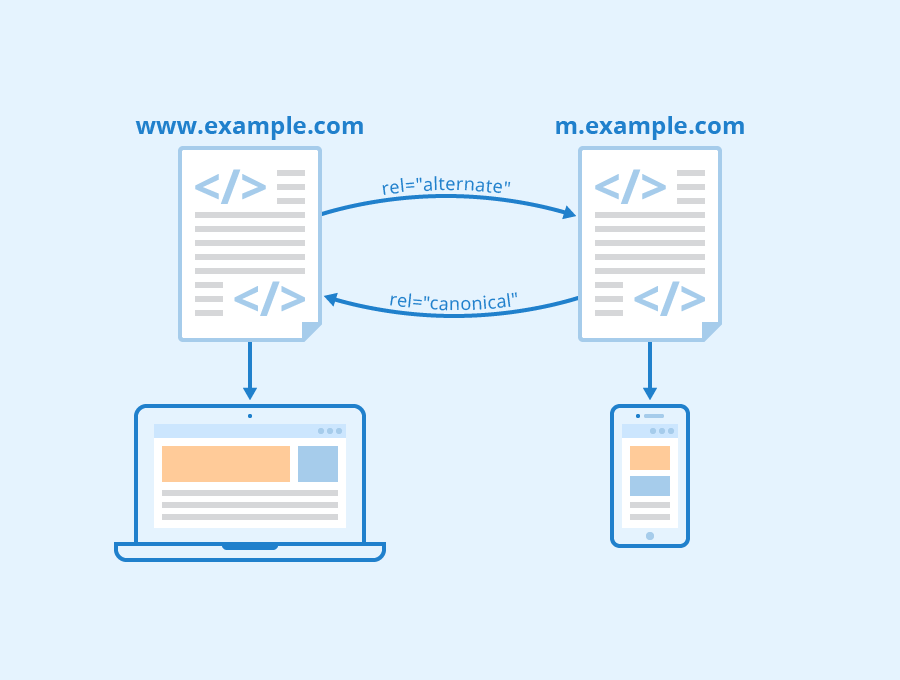
Some characteristics of mobile-friendliness do not require you to spend money. For example, you can do things such as cropping photographs to fit, changing the navigation bar, and more on your own.

In fact, choosing WordPress hosting takes care of the majority of this for you. It’s already mobile responsive, so there’s no need to make any changes.

Shrinking your computer’s web browser is a straightforward approach to get a sense of how your site will seem on a mobile device. You may get an understanding of what visitors view when they look at your web pages by altering the height and width on your screen.

One of the most appealing aspects of social media is how successful it can be without costing money. Creating a profile on most platforms is free. It may easily place the company in front of thousands of potential customers.

However, simply having a Facebook or Twitter account isn’t enough. You can’t just create a Facebook page and expect people to flock to it. You must be a part of the idea’s premise, social interaction.

Add Posts Every Day

For businesses, the amount of times you should post material on social media varies. While some people find that doing five or more is successful, others feel that doing just one is sufficient. The point is that if you want your target audience to pay attention to you, you must be active.
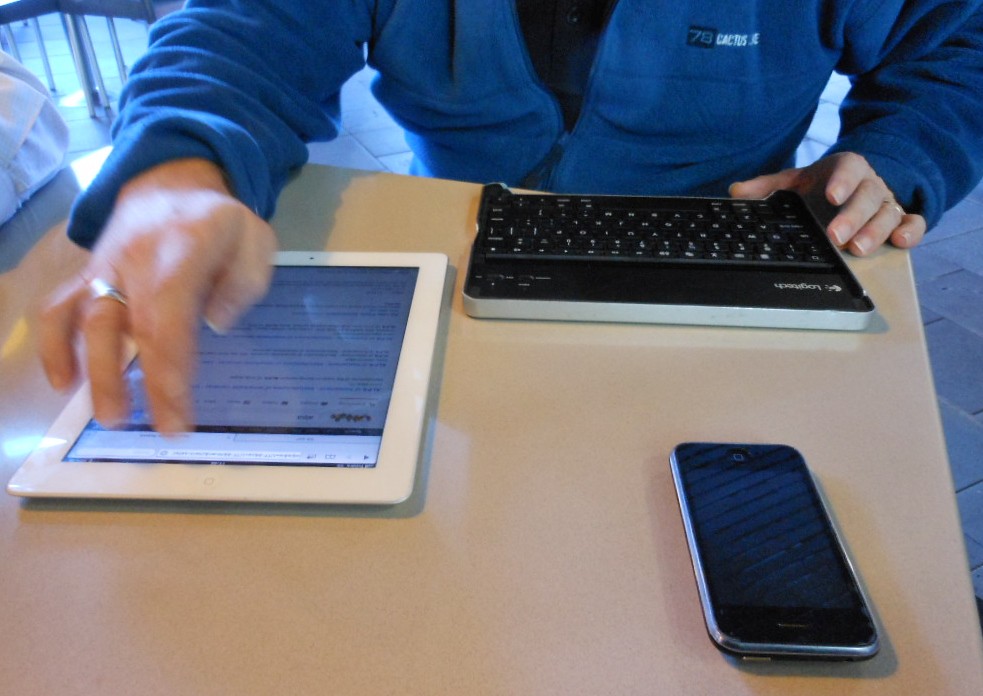
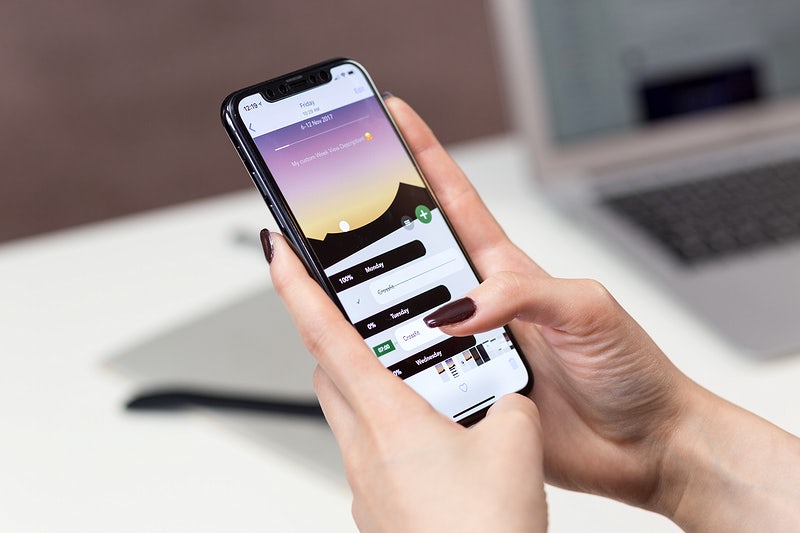
Images Are Important.

Use graphics or video when submitting content to social media. Users are significantly more engaged by pictures than by simple text only posts. On LinkedIn, for example, posts with graphics garner 200 per cent higher engagement than posts with plain text. In addition, videos are six times more likely to be retweeted on Twitter than photographs.

Share Valuable Information

Don’t just pass along random bits of information. Post stuff that your target audience will enjoy. This might involve sharing any web pages you come across online, retweeting pertinent Twitter accounts, or even commenting on someone’s post. Keep everything focused on your industry and niche.

Including Social Media Buttons

Almost every website’s content includes social sharing buttons. Don’t forget to include it in your store’s or service’s offerings. You never know who is browsing your website, and they may decide to share your products with their own audience.

What Makes a Good Online Business Look More Professional?

Your website will most likely be a client’s first impression of your business. This is why it’s critical to concentrate on it, giving each new customer the most pleasing possible first impression.

First, think about the colours on your website. They shouldn’t be too distracting to look at and should have some connection to your area of business; for example, utilising colours that are commonly used in the sector is a brilliant idea. After that, double-check that the website’s design is in order. A well-designed website makes it easy to use the site because each piece serves a specific and evident purpose.

What Makes You Stand Out?

While the list of essential elements changes based on your demands, a navigation bar with all related sites, suitable font size and formatting, and a FAQ page are all universal. A navigation bar allows users to swiftly access any portion of the website, the font type aids readability, and the FAQ page may quickly answer any pressing issues your clients may have.

Another crucial feature of the site is its functioning. Having a shopping cart option is incredibly beneficial if your products can be ordered online. Clients will be more satisfied as a result of the added convenience.

Other examples include using correct media players on your site for responsive multimedia access, as well as search capabilities that make it easier for customers to find the content they’re looking for.

For any business to stand out, you need to keep your website up to date with new content. All businesses need to be constantly adding content in order to be seen.

Brainstorming is a Technique

Brainstorming is a technique used by several businesses to produce as many ideas as possible inside a group. The emphasis is solely on the number of ideas given rather than their quality. It is preferable to have a group of at least five and up to fifteen people for maximum effectiveness.

Consider Your Members Wisely

There must be a diversity of information, experience, and backgrounds present since this will allow all participants to contribute from differeing perspectives.

This is commonly utilised in the early planning stages when the project’s prospects have not yet been adequately defined. It’s also a great technique to come up with innovative product development or manufacturing processes. Advertising and marketing goals are another common application. Finally, the method is a quick technique to get a group’s creative juices flowing. Brainstorming enables individuals to think outside the box and be creative. All contributions are welcome, and they can result in a wide range of ideas.

There must be a clearly stated subject or problem beforehand that the participants can focus their attention on. For situations that are difficult to articulate or are complex, or for challenges that require extensive specialised expertise, brainstorming is less helpful.

Reverse Brainstorming

When a group of individuals discuss an issue or a situation, all kinds of ideas are floated, and people can think creatively. However, research shows that this is not always the case. People aren’t always able to express themselves creatively when they’re asked to.

Individuals have a habit of overthinking problems. Furthermore, a brainstorming group always contains those who don’t want to participate, or are having a bad day or are being overruled by the more powerful members.

Reverse brainstorming is a different technique used when coming up with ideas. This method of reverse brainstorming can be used to solve problems and generate creative ideas that everyone can contribute to. It’s a strategy for approaching challenges that appear complicated at first glance from a different angle. Negative brainstorming is another name for this practice, although not used often.

Application

For a variety of reasons, reverse brainstorming can be used. When people struggle to come up with good ideas quickly, for example. It’s also likely that people have preconceived notions and find it difficult to let go of them when developing fresh ideas. Even when individuals tend to approach a topic in a highly analytical manner, reverse brainstorming can be beneficial. This allows people to produce new ideas in addition to those already existing.