Beyond Willpower and the Constant 3pm Crash
Persistent mid-morning hunger and the familiar 3pm slump are rarely signs of poor discipline. They are often predictable responses to a breakfast or lunch that digests quickly and provides too little protein, fibre, or overall structure. A coffee and a sweet muffin may fit a rushed Kiwi workday, but that combination can leave the stomach relatively empty again within a short period, while fluctuating blood glucose and appetite signals encourage another visit to the biscuit tin.
Quick-fix meal replacements can create the same problem when they are treated as a complete strategy rather than one convenient option. Counting calories may describe how much energy a meal contains, but it does not fully explain how long that meal keeps you satisfied. A more useful question is whether food activates the body”s own fullness systems. Protein and fibre work together by slowing digestion, supporting steadier energy, and encouraging the release of signals that reduce food-seeking. That makes them a practical foundation for satisfying meals, without relying on fad dieting or constant restraint.
The Biology of Satiety and Gut Hormones
Appetite is not controlled by the brain alone. The gastrointestinal tract is a highly responsive communication system, continuously reporting what has been eaten, how quickly nutrients are arriving, and how full the digestive organs are becoming. Stretch receptors in the stomach respond to volume, while specialised cells in the small intestine and colon detect nutrients and fermentation products. These messages travel through the nervous system and bloodstream to appetite-regulating areas of the brain, including the hypothalamus.
Two important chemical messengers are glucagon-like peptide-1, commonly called GLP-1, and peptide YY, or PYY. For further background, see this Authoritative Source. GLP-1 can slow gastric emptying and support the feeling that a meal is lasting, while PYY helps reduce appetite after nutrients reach the lower digestive tract. When food hits the lower digestive tract, specialised cells release appetite-suppressing signals, most notably peptide YY, which travel through hormonal and neural pathways to the hypothalamus to slow gastric emptying and dial down cravings.
Highly refined snacks tend to provide plenty of rapidly available carbohydrate but little fibre and modest protein. They may taste satisfying in the moment, yet they offer less volume, less chewing, and fewer of the slowly delivered nutrients that stimulate prolonged satiety. This does not make a biscuit or sweet snack forbidden. It simply explains why a low-fibre, low-protein choice often fails to carry someone from morning tea to lunch, or from lunch through the afternoon.
- Protein supplies amino acids and can stimulate fullness signals while supporting lean tissue.
- Fibre adds bulk, slows the movement of nutrients, and provides fuel for beneficial gut microbes.
- Meal volume stretches the stomach and gives the brain a clearer physical signal that eating has occurred.
Why Protein Acts as the Anchor for Everyday Energy
Protein is useful for satiety because it influences appetite at several points at once. It generally takes more work to digest, absorb, and process than carbohydrate or fat, a feature known as the thermic effect of food. The difference should not be exaggerated into a weight-loss shortcut, but it does mean that protein-rich foods tend to require more digestive processing and often provide a longer-lasting eating experience than sugary foods of similar convenience.
Once digested, amino acids support the maintenance and repair of muscle tissue. This matters during weight loss, periods of reduced activity, and ordinary ageing, when preserving lean mass becomes increasingly important. Protein can also make a meal more metabolically steady when it is eaten alongside carbohydrate, because digestion is slower and the overall meal is less dependent on a rapid influx of sugar. The strongest effect comes from the whole meal rather than from protein in isolation.
There is no single protein target that suits every adult. Requirements vary according to body size, age, activity, pregnancy, health status, and total diet. For many busy adults, a practical starting point is to include a clear protein source at breakfast, lunch, dinner, and planned snacks rather than attempting to calculate every gram. Accessible New Zealand options include eggs, plain yoghurt, milk, cottage cheese, fish, chicken, lean meat, tofu, edamame, lentils, chickpeas, baked beans, nuts, and seeds.
- Try plain Greek-style yoghurt with oats, berries, and chia seeds.
- Add lentils, chickpeas, eggs, tuna, tofu, or chicken to a salad or grain bowl.
- Choose unsalted nuts, roasted chickpeas, edamame, or a carefully selected protein bar for portable eating.
- Check labels on packaged options for protein, fibre, added sugar, and sodium rather than judging a product by its front-of-pack claims.
The Physical Power of Dietary Fibre in Slowing Digestion
Fibre is not one uniform substance. Soluble fibre dissolves or swells in water, and some types form a viscous material that slows the movement of food through the stomach and small intestine. Insoluble fibre does not form the same gel, but it adds bulk and helps support regular bowel movement. Most plant foods contain a mixture of both, which is one reason a varied diet is more useful than focusing on a single high-fibre ingredient.
Viscous soluble fibre can increase the thickness of digestive contents, delaying the rate at which nutrients are exposed to the intestinal wall. This may soften the rise in glucose after a meal and extend the release of nutrients into the bloodstream. The physical volume of fibre-rich foods also helps stretch the stomach, particularly when fibre arrives with water in foods such as fruit, vegetables, oats, beans, and soups. Comprehensive metabolic evaluations in clinical nutritional research demonstrate how viscous soluble fibres can delay nutrient absorption and influence post-meal glucose and appetite responses.
Fibre also feeds the gut microbiome. In the large intestine, microbes ferment selected fibres and produce short-chain fatty acids such as acetate, propionate, and butyrate. These compounds are involved in communication between the gut and the brain and may encourage the release of appetite-related hormones, including PYY and GLP-1. The effect is not instant, and a sudden large increase in fibre can cause bloating, so gradual increases with adequate fluid are generally more comfortable.
Comparing High-Satiety Combinations with Typical Snacks
A snack”s staying power depends on more than its calorie count. A sweetened drink and a small packet of lollies may be consumed quickly, provide little chewing, and deliver almost no fibre or protein. By contrast, an apple with peanut butter, plain yoghurt with berries, or roasted chickpeas with fruit combines carbohydrate with protein, fibre, water, and texture. These combinations tend to take longer to eat and release energy more gradually.
The table below is a practical comparison, not a set of rigid rules. Portion size, individual appetite, physical activity, sleep, stress, and the composition of preceding meals all influence how long fullness lasts.
| Snack choice | Typical features | Likely satiety pattern |
|---|---|---|
| Sweet biscuit or lolly snack | Refined carbohydrate, little fibre and protein | Quick energy, limited fullness, hunger may return soon |
| Sweetened coffee drink | Liquid carbohydrate, often low in fibre | Easy to consume quickly, weaker chewing and volume signals |
| Apple with peanut butter | Fruit fibre and water paired with protein and fat | More chewing, slower digestion, steadier satisfaction |
| Plain yoghurt with berries and seeds | Protein, fibre, fluid, and varied texture | Strong combination of volume and nutrient delivery |
| Roasted chickpeas with fruit | Plant protein, fibre, and carbohydrate | Portable, filling, and generally longer-lasting |
Simple Ways to Pair Protein and Fibre into Your Routine
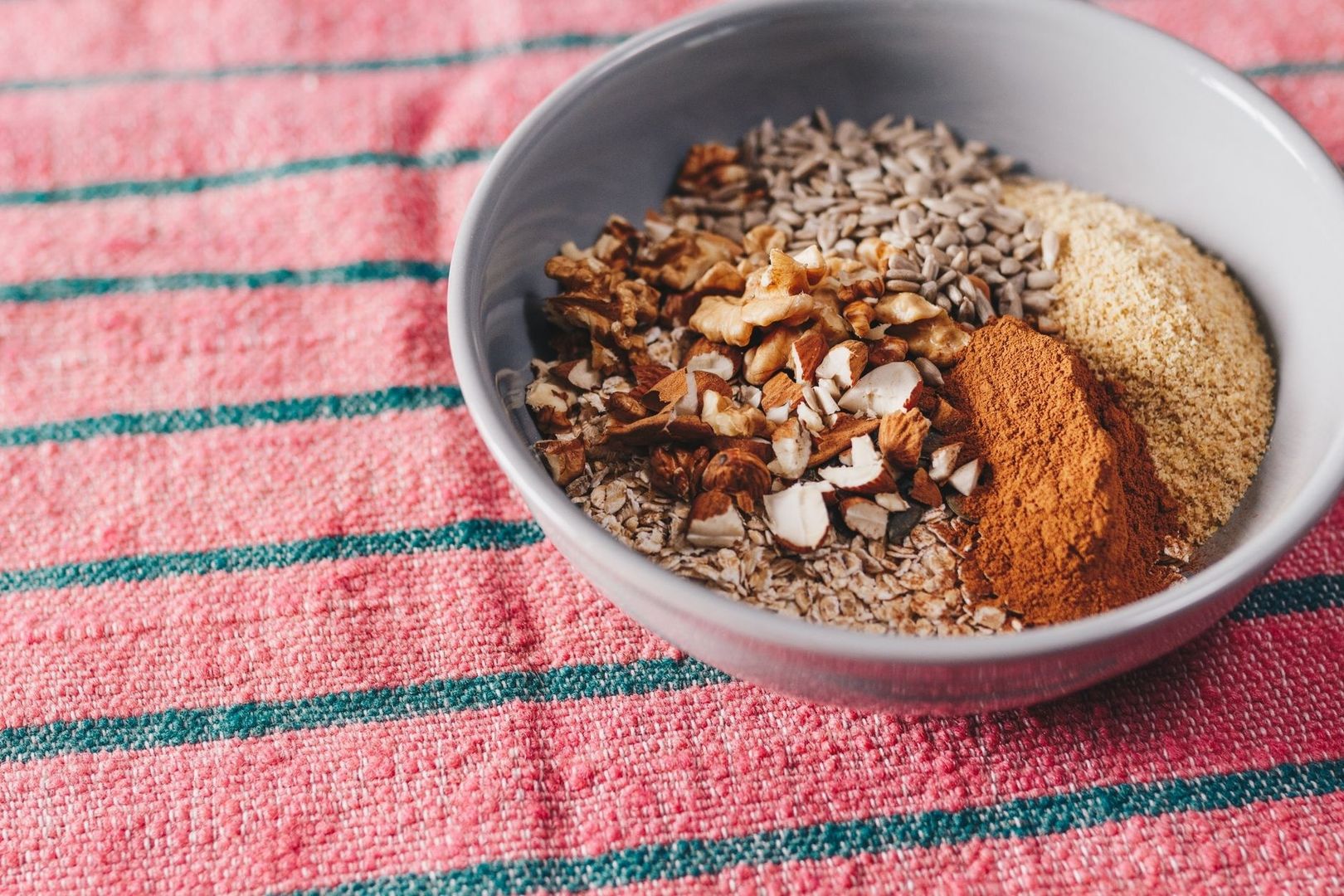
The easiest approach is not to rebuild the entire diet overnight. Instead, upgrade the meals that currently lead to grazing. A breakfast based on refined cereal or toast alone may be improved by adding eggs, unsweetened yoghurt, cottage cheese, or baked beans, then including fruit, oats, wholegrain bread, or vegetables. Overnight oats with milk or yoghurt, chia seeds, and berries are particularly practical because they can be prepared in advance and carried to work.
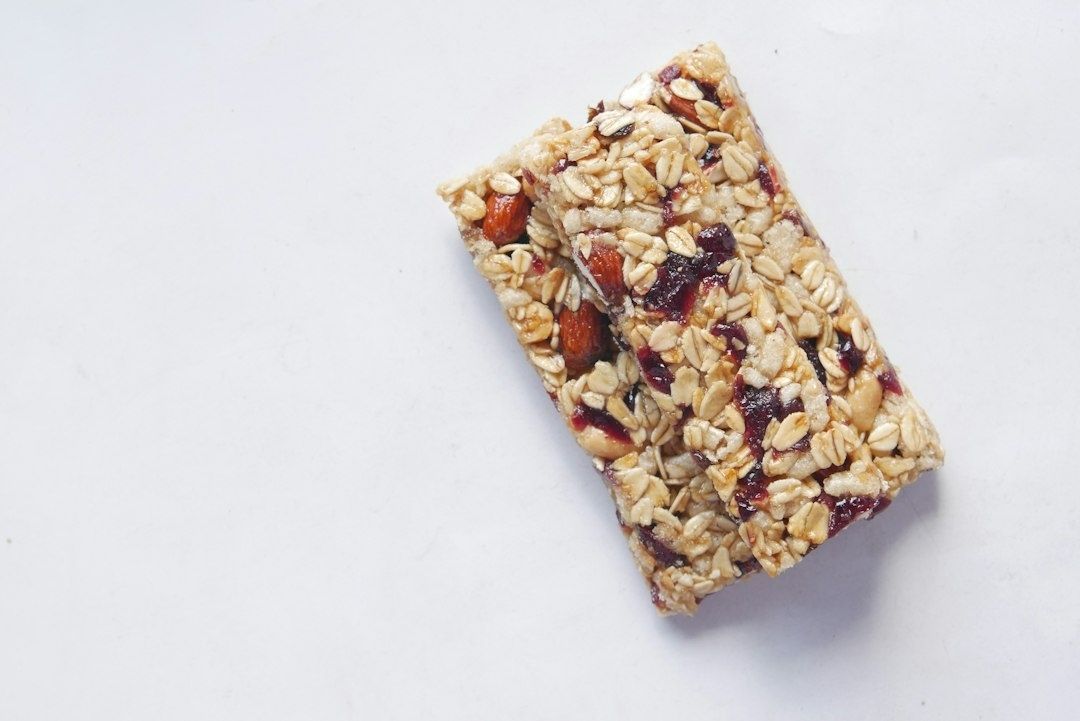
Lunch and afternoon tea can follow the same formula. A wholegrain wrap with chicken and salad, a bean and vegetable soup with grainy toast, or a rice bowl with tofu and edamame gives the body more to digest than a small, low-fibre snack eaten at a desk. For commuting and unpredictable meetings, shelf-stable options such as a piece of fruit with nuts, roasted chickpeas, or a bar with meaningful protein and fibre can bridge the gap. A packaged option is useful when it complements whole foods, not when it replaces every meal.
- Choose the anchor. Start with one protein source such as eggs, yoghurt, tofu, beans, tuna, chicken, milk, or nuts.
- Add a fibre-rich plant food. Use fruit, vegetables, oats, wholegrain bread, legumes, seeds, or high-fibre crackers.
- Include enough volume. A small portion may not satisfy even when its ingredients are sound, so serve a realistic amount and eat at a measured pace.
- Prepare one portable pairing. Pack yoghurt and berries, an apple with nut butter, edamame and fruit, or a balanced bar for the busiest part of the day.
- Review the afternoon result. Notice whether hunger arrives later, energy feels steadier, and the need for unplanned snacking has eased. Adjust portions rather than abandoning the approach.
Take Charge of Your Hunger with Real Food Science
Protein and fibre are not magic ingredients, and fullness is not determined by food alone. Sleep, stress, medication, exercise, meal timing, and medical conditions can all affect appetite. Still, the protein-plus-fibre framework is a dependable everyday habit because it works with several natural satiety mechanisms at once. Protein supports lean tissue and appetite signalling, while fibre adds volume, slows digestion, and feeds the microbes that produce useful fermentation compounds.
A simple starting point for tomorrow is to upgrade one meal that regularly leads to cravings. Add plain yoghurt and fruit to breakfast, include beans or chicken at lunch, or pair an afternoon piece of fruit with nuts or a suitable high-protein snack. The aim is not stricter restriction. It is better structure, sensible portions, and nutrient synergy that helps everyday energy last through the working day.
